If your home has been remodeled over the years, there is a good chance your plumbing system includes more than one type of metal.
Copper upgrades connected to older galvanized pipes are very common in Austin and surrounding areas. While this may seem harmless, mixed metal plumbing systems
can quietly create serious repair challenges.
So why do plumbers treat mixed metal systems with extra caution? Let’s break it down in a simple way.
The Hidden Problem With Dissimilar Metals
When two different metals touch and water flows through them, a chemical reaction can occur. Water acts as a conductor, allowing one metal to slowly corrode faster than the other.
In most cases, the weaker metal sacrifices itself. For example, when copper connects directly to galvanized steel, the steel often corrodes much faster. This can lead to pinhole leaks, pipe thinning, and sudden failures that seem to come out of nowhere.
Why These Issues Are Hard To Diagnose
One of the biggest frustrations with mixed metal systems is that damage often happens at connection points. The rest of the pipe may look perfectly fine during a basic inspection.
Leaks may develop inside walls, under slabs, or near fittings where corrosion is concentrated. Homeowners may only notice symptoms like water pressure changes, discoloration in water, or unexplained leaks long after damage has started.
In Central Texas homes, where many properties combine older plumbing with newer upgrades, this makes accurate diagnosis even more important.
Repairing Mixed Metal Systems Requires Special Care
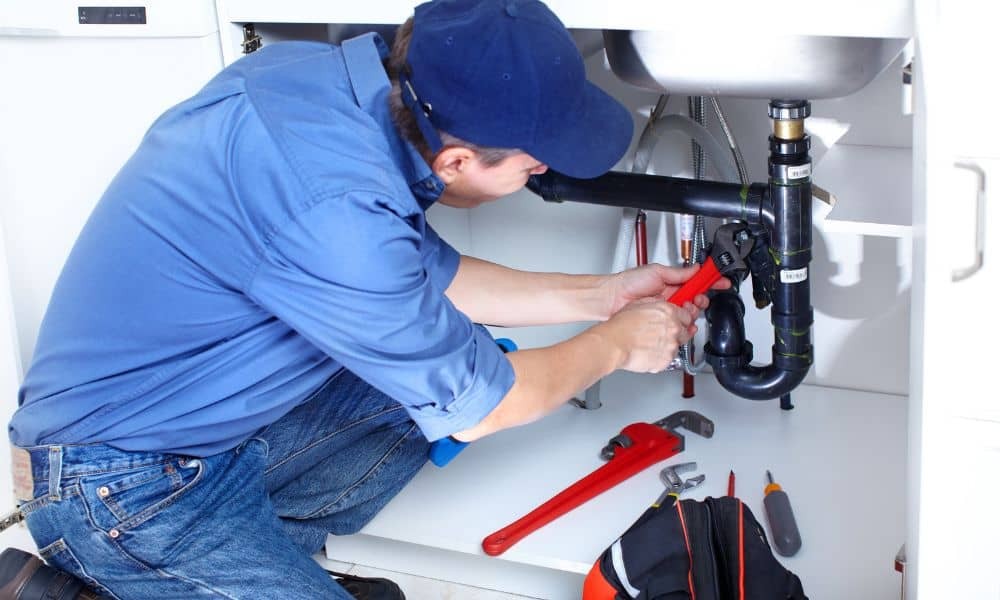
Fixing plumbing issues in mixed metal systems is not as simple as swapping out a pipe. Professional plumbers must isolate the metals to stop corrosion from continuing.
This often involves installing specialized fittings that separate metals safely. Materials like brass or dielectric connectors help reduce corrosion risk when used correctly. Temperature changes also matter, since different metals expand and contract at different rates.
Skipping these steps may temporarily fix a leak, but it often leads to repeat failures and higher repair costs down the road.
Safety And Water Quality Concerns
Corrosion in mixed metal systems can also affect water quality. As pipes break down, metal particles can enter your water supply. This is especially concerning in older homes where outdated materials may still be present.
Modern plumbing codes require proper isolation for mixed metal connections, but many older homes were built before these standards were enforced.
Get The Right Repair The First Time
If you suspect corrosion, leaks, or recurring plumbing issues, do not wait for major damage. At Service Wizard Heating and Air Conditioning, we offer professional inspections and long-lasting repair solutions designed for mixed metal systems. Call today to protect your home, your water quality, and your peace of mind.
About the Author