
Understanding the Importance of a Roof Inspection in Dallas
The Role of Your Roof in Home Protection
The roof is arguably one of the most critical components of a home, serving as the primary barrier against harsh weather conditions. It protects your living space from rain, wind, hail, and harmful UV rays that can cause long-term damage. A properly maintained roof not only safeguards your belongings but also preserves the structural integrity of the house, which can be weakened by leaks, water intrusion, or ceiling deterioration. In a climate like Dallas where intense summer storms bring heavy rainfall and winter months can introduce icy conditions the need for a dependable roof becomes even more essential. Despite this, many homeowners delay maintenance until noticeable issues appear. Scheduling a regular roof inspection in Dallas, TX allows potential problems such as cracked shingles, corroded flashing, or deteriorated sealants to be detected early, helping prevent expensive repairs or premature roof replacement.
Why Dallas’ Unique Climate Demands Regular Inspections
The climate in Dallas, characterized by its hot summers and occasionally frigid winters, poses specific challenges for roofing. Extended periods of intense sunlight can degrade roofing materials, leading to a gradual diminishment in protective properties. This is compounded by the significant temperature shifts between seasons, which can induce expansion and contraction in roofing materials, potentially resulting in cracks or other forms of deterioration. Furthermore, Dallas is prone to severe weather conditions, including thunderstorms that can produce high winds and hail. These factors make it imperative for homeowners to perform routine inspections, ideally twice a year, to safeguard their roofs against premature aging and damage. Not only does this preventive care extend the lifespan of your roof, but it can also enhance your property’s energy efficiency and curb appeal.
Spotting Potential Issues Before They Become Major Problems
One of the primary benefits of conducting regular roof inspections is the ability to catch potential issues before they evolve into significant problems. Small leaks, for instance, may seem innocuous at first but can lead to rot and mildew within your attic and walls, presenting health risks and incurring expensive repair costs. Other common issues include shingle granule loss, which exposes the roof to ultraviolet rays, and mold growth, which can compromise the structure and air quality of your home. By remaining vigilant and taking a proactive approach to roof inspections, homeowners can mitigate risks, ultimately preserving their investment and enhancing the longevity of their roofing system.
What to Look for During Your Roof Inspection
Key Signs of Wear and Tear You Can’t Ignore
When inspecting your roof, certain signs of wear and tear should raise immediate concern. One of the most visible indicators is the condition of the shingles. Look for missing, cracked, or curled shingles, which signal that the roof is reaching the end of its useful life. Furthermore, pay attention to the presence of granules in your gutters; heavy granule loss is a strong indicator of aging shingles and diminished protection against the elements. Additionally, inspect the flashing around vents and chimneys for any signs of rust or separation, as these areas are particularly vulnerable to water penetration. Checking for sagging or drooping in the roofline is also vital, as it can suggest structural issues that may require thorough assessment by a professional. These initial signs, if not promptly addressed, can lead to costly repairs and jeopardize the integrity of your home.
Understanding Different Types of Roofing Materials
Familiarity with the various types of roofing materials is essential in accurately assessing the condition of your roof. In Dallas, popular options include asphalt shingles, metal roofing, tile, and flat roofing materials. Asphalt shingles are commonly chosen for their affordability and ease of installation, but they are also more susceptible to damage from UV exposure. Metal roofing, on the other hand, offers superior durability and resistance to extreme weather conditions but can be costly. Tile roofs add an aesthetic appeal and longevity but may also require specific maintenance techniques. Flat roofs, though often utilized in commercial applications, may develop drainage issues if not regularly inspected. Each roofing material comes with its own set of vulnerabilities and advantages. Understanding these will aid homeowners in identifying specific weak points during inspections and help inform future maintenance choices.
Checklist for an Effective Roof Inspection
An effective roof inspection should follow a comprehensive checklist to ensure all aspects are covered. Start with a ground-level observation; look for visible damage and evaluate the overall appearance of the roof from a distance. Next, inspect the shingles closely for wear, paying attention to edges and corners. Move on to checking the gutters and downspouts, ensuring they are free from debris and functioning correctly. Inspect the flashing and seals around pipes and chimneys to look for signs of wear or deterioration. Don’t forget to check interior aspects, such as the attic, for any signs of water infiltration or mold growth, which might indicate roof leaks. Additionally, document your findings with photographs for future reference and comparative assessments. This thorough approach will not only help you catch current issues but also assist in planning for any necessary long-term maintenance or repairs.
Tools of the Trade: Gearing Up for Your Inspection
Must-Have Equipment for a Successful Inspection
Equipping yourself with the right tools can enhance the effectiveness of your roof inspection. Essential items should include a sturdy ladder to safely access the roof, a flashlight for inspecting dark areas, and a digital camera for documenting any damages. A tape measure can help you gauge the size and scope of issues, especially if future repairs are needed. A moisture meter can assist in identifying any hidden moisture trapped under shingles, which could lead to mold or decay. Furthermore, a pair of binoculars can be beneficial when examining hard-to-reach areas of the roof or the surrounding property without needing to climb up. By having these tools on hand, you can conduct a more comprehensive and informed inspection.
The Benefits of Professional Inspection Tools vs. DIY
While many homeowners are capable of performing basic inspections, professional roof inspectors utilize advanced tools that can uncover issues that might go unnoticed by the untrained eye. For example, thermal imaging cameras used by professionals can detect temperature variations indicative of leaks or insulation deficiencies. Drones have also become increasingly commonplace in roof inspections, allowing for aerial checks of larger properties without endangering the inspector. These tools, combined with years of training and experience, can significantly improve the accuracy of the inspection and the resultant recommendations. Employing these technologies means that homeowners get a thorough and reliable assessment, capable of preventing unexpected failures down the line.
Safety Precautions Every Inspector Should Take
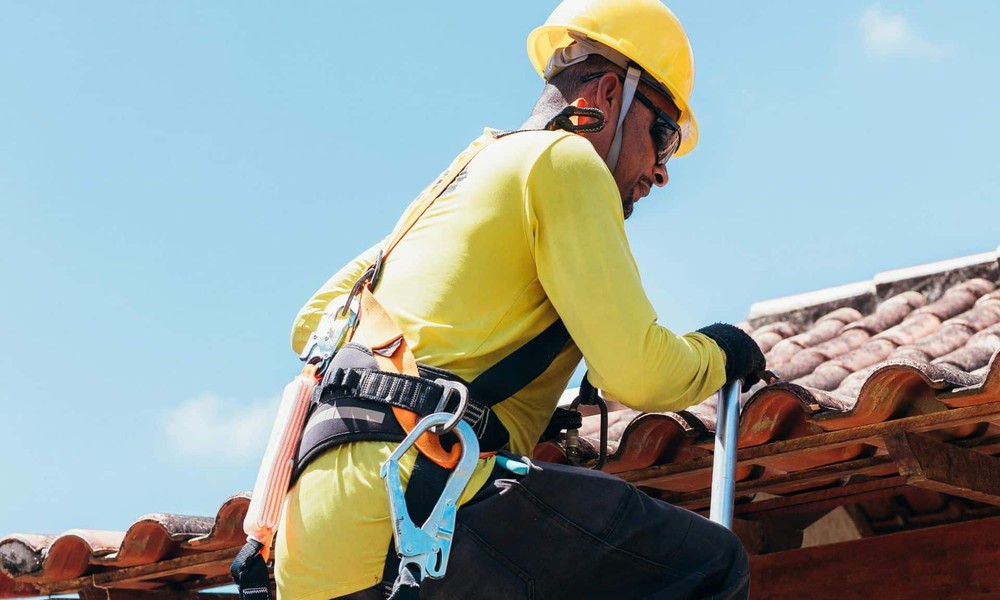
Roof inspections, whether performed by professionals or homeowners, demand a strong emphasis on safety. Use ladders that are stable and rated for the appropriate weight capacity, and ensure they are positioned correctly on level ground. It is crucial to wear proper footwear with sufficient grip to prevent slipping, especially in wet or mossy conditions. Proper personal protective equipment (PPE) such as hard hats and safety harnesses can prevent injury from falls or falling debris. When on the roof, be aware of your surroundings and avoid stepping on weak areas, particularly if you notice sagging or damage. If you’re uncertain about any aspect of safety or access, consider hiring a professional who is trained to conduct inspections safely.
Hiring the Right Professionals for Your Roof Inspection
Questions to Ask Before Hiring a Roofing Inspector
Understanding Different Certifications and Qualifications
Not all roofing inspectors are created equal; various certifications and qualifications exist within the industry that can indicate an inspector’s credibility. Look for inspectors accredited by reputable organizations such as the National Roofing Contractors Association (NRCA) or certified by the Home Inspector Association (HIA). These certifications often require specific training, ethical standards, and ongoing education in roofing practices. Understanding these credentials can give homeowners peace of mind, ensuring that their inspector is not only knowledgeable but also committed to maintaining the industry’s best practices.
How to Evaluate the Reputation of Roofing Companies in Dallas
To evaluate the reputation of roofing companies in Dallas, start by researching online reviews and ratings on platforms such as Yelp, Google, and the Better Business Bureau (BBB). Consistent patterns in feedback especially concerning service quality, timeliness, and transparency can paint a clear picture of a company’s reliability. Additionally, seeking recommendations from friends or neighbors who have recently had roofing work done can provide valuable insights. Furthermore, it’s beneficial to investigate how long the company has been in business and their history of completing projects similar to yours, as longevity in the market often speaks to a company’s credibility and expertise. A diligent approach to assessing the reputation of roofing companies will empower you to make an educated choice, ultimately protecting your investment.
About the Author