
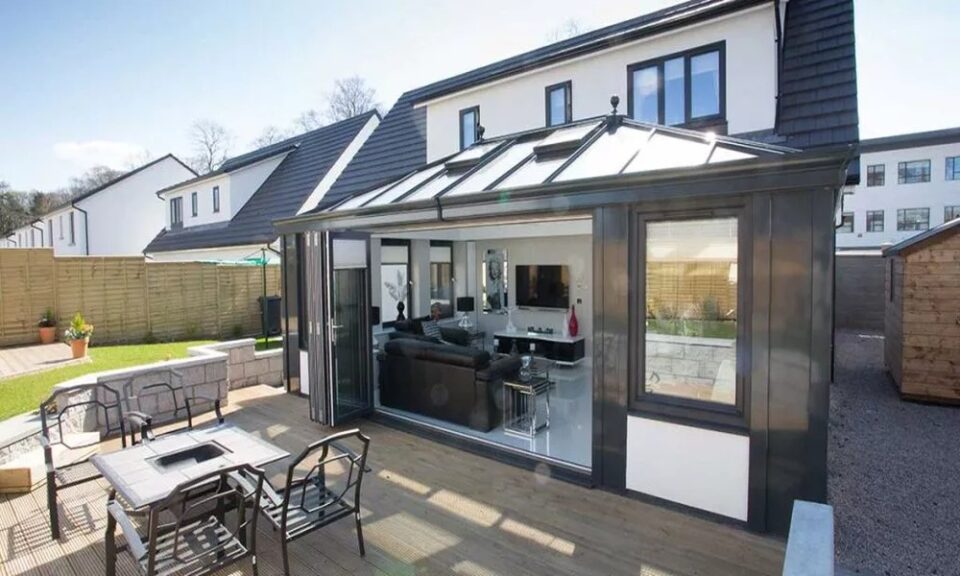
Planning Permission for Home Extensions in Scotland: A Guide
Embarking on a property enlargement project requires a clear understanding of the rules. This resource provides homeowners with essential knowledge for navigating the complex regulatory landscape governing property modifications across Scottish territories.
Scottish regulations operate under different legislative frameworks compared to other UK nations. This distinction is crucial for any property owner considering an alteration.
A core concept is the difference between permitted development rights and situations requiring a formal application. Knowing which category a proposal falls under can save significant time and expense.
Specific classes, known as Classes 1A through 1D, govern different types of work. These range from single-storey ground floor additions to roof enlargements. Early verification of these rules is vital before investing in architectural designs or engaging contractors.
Additional restrictions often apply to properties in conservation areas, listed buildings, or those created under specific permitted development classes. This guide addresses these special considerations to ensure compliance.
Key Takeaways
- Scottish planning regulations differ significantly from those in England, Wales, and Northern Ireland.
- Permitted development rights, governed by classes like 1A to 1D, may allow certain works without a full application.
- Understanding when a formal planning permission application is necessary is fundamental to a successful project.
- Conducting early checks on limitations is crucial before finalising designs or hiring builders.
- Properties in conservation areas or listed buildings are subject to additional, stricter controls.
- This information serves both DIY researchers and those working with professional architects and consultants.
Understanding Home Extension Planning in Scotland
Scottish legislation provides a framework of pre-approved permissions for common building works. These are known as permitted development rights. They allow specific property modifications without a full planning permission application.
These development rights are organised into distinct legal classes. Each class governs a different type of work. Most are subject to strict limitations and conditions.
The primary categories cover enlarging a dwellinghouse. They also include improvements and alterations that do not increase volume. Other developments within a property’s curtilage are also covered.
Even when these rights apply, the property owner carries full responsibility for compliance. The framework removes these rights in certain scenarios. This includes work affecting trunk roads or creating hazards.
Separately, a building warrant from local authorities is almost always required. Listed building consent is also needed for designated properties. These are legal requirements distinct from planning rules.
|
Class |
Type of Work |
Key Limitation Example |
|
Class 1A |
Enlarging a dwellinghouse (e.g., rear addition) |
Height and projection limits apply. |
|
Class 1B |
Improvements & alterations (non-enlargement) |
Materials must match the existing house. |
|
Class 1C |
Other developments within the curtilage |
Cannot be forward of the dwelling’s principal elevation. |
Understanding the term “enlargement” is crucial. It means any development that increases the internal volume of the original house. This includes attached canopies but excludes features like balconies.
Key Aspects of Planning Permission Requirements
At the heart of any construction endeavour lies a set of governing standards and criteria. The system determining whether formal consent is needed operates on clear principles. Specific thresholds and conditions define the path forward.
Overview of Regulatory Standards
Regulatory standards extend beyond the need for formal planning consent. They encompass separate building regulations compliance. A building warrant from the local authority is typically mandatory for most extension work. This requirement exists independently of planning status.
These standards ensure safety, durability, and design quality. They address materials matching, roof pitch, and window placement. The goal is to maintain aesthetic harmony and structural integrity across any development.
Criteria and Limitations
The criteria governing an extension project include its size, proximity to boundaries, and height. Impact on neighbouring properties and location within designated areas also matter. Each factor is assessed against precise limitations set in legislation.
Limitations are exact measurements for depth, height, and footprint. They vary by project type and property characteristics. Crucially, breaching any single limitation necessitates a full application for planning permission.
Permitted development rights can be removed in specific scenarios. This includes work affecting trunk roads or creating hazards for road users. All conditions within a relevant class must be fully met for the development to proceed.
Planning Permission Guide for Home Extensions in Scotland
Homeowners must identify which of four principal categories their proposed enlargement falls under. This resource centres on the practical application of permitted development rights. It clarifies when formal consent applications become necessary.
Class 1A governs single-storey ground floor additions. These are common projects for creating extra living space. They avoid the complexity of multi-storey construction.
Class 1B addresses ground floor extensions with more than one storey. Such works carry greater visual impact. They have potential for affecting neighbouring properties.
Class 1C specifically permits porch construction outside external doors. Strict size limitations ensure these additions remain proportionate. They must not encroach inappropriately on boundaries.
Class 1D allows roof enlargements, typically dormer additions. This enables loft space conversion into habitable rooms. The overall height of the dwelling must stay within prescribed limits.
None of these development rights apply to flats. Properties within conservation areas automatically require full applications. This rule applies even if the work fits a class description.
Understanding which class applies is the critical first step. Each category has distinct technical requirements and measurement criteria. Satisfying all conditions is essential for the rights to apply.
Exploring Permitted Development Rights for Extensions
The scale of an addition significantly influences the applicable rules and required approvals. Permitted development rights offer a pathway for certain works without full consent. These development rights vary greatly depending on the project’s nature and location.
Single Storey vs Multi-Storey Extensions
Single storey ground floor projects, like kitchen additions, benefit from more generous permitted development allowances. Under Class 1A, they can project up to 4 metres from a detached house. This reflects their lower visual impact.
In contrast, multi-storey additions face stricter criteria. Class 1B requires a minimum 10-metre distance from any boundary. This often means a full application is necessary for two-storey development.
Application Criteria in Different Areas
Local areas can impose additional restrictions. Permitted development rights are automatically removed in conservation zones. Terraced houses also face tighter rules than detached properties.
Some areas operate under Article 4 directions. Here, local authorities have withdrawn specific development rights to protect neighbourhood character. Always check local permitted development status early.
Regulatory Considerations in Conservation Areas
The designation of a conservation area imposes a layer of additional control over external changes to buildings. This status fundamentally alters the process for enlarging a dwelling.
Impact of Conservation Area Status
Standard permitted development rights are automatically removed for properties within conservation areas. This means any proposed extension, even a small porch or rear addition, requires a formal application for planning permission.
The intent is to preserve the special architectural or historic character of the area. Consequently, local authorities apply much closer scrutiny to all works. Minor projects that would normally proceed without consent must undergo full assessment.
Homeowners must contact their local council to confirm if their property sits within a conservation area. This check is an essential first step, as it dictates the entire regulatory pathway.
Design standards are also heightened. Proposals must demonstrate sensitivity to the locale’s established character. Successful development remains achievable with careful design that respects conservation objectives.
Types of Home Extensions and Their Limitations
Various structural additions to a dwelling each come with their own set of regulatory boundaries. Homeowners can choose from several common forms to increase living space.
Each type has specific rules governing its size, placement, and design. Understanding these confines is essential for a compliant project.
Rear, Side, and Wrap-Around Extensions
Rear extensions are the most frequent choice. They often house new kitchens or dining areas.
Single-storey versions can be conservatories or solid constructions. Their rear projection is limited, especially near a boundary.
Side extensions face stricter controls. They cannot exceed half the original house’s width.
Placement is also crucial. A side addition must not project forward of the principal elevation.
Wrap-around designs combine rear and side elements. Each part must independently meet the relevant criteria.
|
Extension Type |
Common Form |
Key Limitation |
|
Rear |
Single-storey addition |
Max projection: 3m (terraced) or 4m (other) |
|
Side |
Ground-floor enlargement |
Width ≤ 50% of original house |
|
Wrap-around |
L-shaped construction |
Must satisfy both rear and side rules |
These limitations balance the desire for extra room with neighbourhood character. Selecting the right design avoids a full development application.
Technical Specifications for Single Storey Extensions
The technical parameters governing ground-floor additions are defined by exact measurements. These precise rules determine whether a project can proceed under permitted development rights.
Height, Depth, and Footprint Limits
Height is controlled in two key ways. The eaves cannot surpass three metres. The overall structure must not exceed four metres in total height.
On sloped ground, measurement starts from the lowest adjacent point. This ensures accurate compliance regardless of topography.
The allowable depth of a rear project depends on its proximity to a boundary. If within one metre, projection is limited. Terraced houses face a three-metre limit, while other types allow four metres from the rear wall.
Area restrictions are also critical. The combined footprint of all additions cannot be larger than the original dwelling’s footprint. Furthermore, developments must not cover over half of the rear garden area.
|
Specification |
Limit |
Application Note |
|
Eaves Height |
3 metres |
Maximum height to the eaves. |
|
Overall Height |
4 metres |
Total height for a single storey addition. |
|
Rear Projection (within 1m of boundary) |
3m (terraced) / 4m (other) |
Measured from the original rear wall. |
|
Footprint Area |
≤ Original dwelling |
Cumulative area of all extensions. |
These technical limits work together. They ensure additions are proportionate and respectful of the existing property and neighbourhood.
Guidance on Multi-Storey and Complex Extensions
When considering a two-storey extension, the potential impact on surroundings becomes a primary concern. Multi-storey projects face significantly tighter controls than single-storey additions. Their greater visual presence triggers stricter regulatory scrutiny.
Planning Challenges for Two-Storey Developments
Class 1B governs ground floor additions of more than one storey. A key rule is a minimum 10-metre distance from any property boundary. This requirement effectively removes permitted development rights for most typical residential plots.
The overall height cannot exceed the existing dwellinghouse height measured at the ridge. The footprint must not surpass the original dwelling’s footprint. These height restrictions and the 10-metre rule present major challenges.
Design Impact and Neighbour Considerations
Design must carefully manage impact. The roof pitch should match the existing house. Materials must be harmonious, and window placement should avoid overlooking neighbouring properties.
Engaging with neighbouring residents early is wise. Demonstrating sensitivity to their amenity can build support for the development. Professional architectural input is often essential for these complex multi-storey projects.
Porches and Roof Enlargement – What You Need to Know
Two specific categories of property work-porches and roof enlargements-operate under their own distinct sets of permitted development criteria. These smaller-scale projects have precise rules to manage their visual and spatial impact.
Permitted Development Rules for Porches
Class 1C covers the construction of a porch. The rules are strict to keep these entrance additions modest.
The footprint must not exceed three square metres. The overall height is capped at three metres.
Positioning is also controlled. A porch must sit at least two metres from any boundary. It must also be two metres from the road.
These limits ensure porches remain proportionate. They prevent inappropriate encroachment towards the street or neighbouring plots.
Technical Requirements for Roof Additions
Class 1D governs roof enlargements, typically dormer windows. These rules protect the property’s character and neighbours’ privacy.
A dormer cannot be placed on the principal elevation. It also cannot sit on a side elevation fronting a road.
It must be at least ten metres from any boundary it fronts. The height must not exceed the existing ridge level.
The dormer cannot be wider than half the roof plane, measured at the eaves. It must also sit at least 0.3 metres from the roof plane edges.
These specifications ensure the roof addition is subordinate. It integrates visually with the existing dwelling.
Compliance with Building Regulations and Standards
Alongside any planning considerations, all building work must satisfy technical construction standards. A building warrant from the local authority is typically mandatory for extensions. This requirement exists independently of any other approvals.
Building Warrants and Listed Building Consent
The building warrant process assesses whether proposed work meets Scottish building regulations. These standards cover structural safety, fire protection, and energy efficiency. Submission of detailed technical drawings is usually required.
Local authority building control departments review these applications separately from planning matters. They conduct inspections during construction to verify compliance. Final certification confirms all regulations have been met.
For properties with special historic interest, listed building consent represents an additional layer. This consent is needed when work affects the character of a listed building. Historic Environment Scotland maintains the official register and provides guidance.
Homeowners should check this register early in their process. The need for listed building consent applies regardless of other permissions. Professional advice is often essential to navigate these technical regulations successfully.
Applying for Planning Permission When Needed
Crossing a single regulatory threshold mandates a comprehensive approval process with the council. This formal route is required when a proposal breaches any condition of permitted development rights.
Authorities can confirm if a property sits in a conservation area or under an Article 4 direction. These statuses automatically remove standard allowances.
|
Scenario Requiring Application |
Permitted Development Allowance |
Typical Reason |
|
Height exceeds 4 metres |
Max 4m for single storey |
Design ambition or loft conversion |
|
Within conservation area |
Rights removed |
Preservation of local character |
|
Boundary distance less than 10m for two-storey |
Min 10m required |
Plot size constraints |
When Extensions Exceed Permitted Limits
A build surpasses limits if it fails on one criterion. This could be depth, footprint, or location relative to a road.
Choosing a larger design, like a wrap-around or two-storey addition, often triggers this need. The council’s development plan policies guide the assessment.
Step-by-Step Submission Process
Begin with a pre-application enquiry to the local authority. This gauges acceptability before detailed work.
Submission requires site plans, elevations, and a design statement. Councils typically decide within 8-12 weeks.
The process allows for more ambitious projects that respect neighbourhood character and amenity.
Impact on Neighbours and Community Considerations
A considerate approach to property improvement weighs the project’s impact on light, privacy, and the overall feel of the neighbourhood. Scottish regulations are designed with this balance in mind, embedding protections for neighbouring amenity directly into the rules.
Key concerns for neighbours include loss of light (overshadowing) and loss of privacy (overlooking). Permitted development rights address these through strict limits. For example, a two-storey addition generally needs to be ten metres from any boundary. This prevents significant overshadowing.
Windows on side elevations often require obscured glazing. Opening parts must be 1.7 metres above the floor level. These rules directly protect neighbouring property from intrusive views.
The impact extends beyond immediate neighbours to the wider community. Rules about height and forward projections help preserve the streetscape’s character. This maintains the distinctiveness of the local area.
Proactive discussion with neighbours before work starts is wise. It builds goodwill and can prevent disputes. This respectful engagement helps ensure a project enhances the property while respecting the area‘s existing character.
Case Studies and Expert Perspective
Case study review provides a bridge between theoretical regulations and on-site reality. Analysing completed projects reveals how professionals navigate the system.
This practical viewpoint is invaluable for any property owner. It turns abstract rules into successful development outcomes.
Insights from “Oakwood Properties Ltd”
Oakwood Properties Ltd demonstrates a methodical approach. They combine regulatory knowledge with design to maximise a property‘s potential.
Their work ranges from simple rear extensions to complex multi-storey additions. Full compliance with Scottish planning frameworks is always the priority.
Experiences Shared by “Oakwood Properties”
Oakwood Properties highlights the critical need for thorough site assessment. Accurate boundary surveys and checks for restrictions must come first.
Successful development balances ambition with regulatory limits. Pragmatic neighbour engagement and design adaptation are often key.
|
Pitfall |
Typical Cause |
Professional Mitigation |
|
Underestimating Boundary Distance |
Inaccurate site measurement |
Commission a professional land survey early. |
|
Overlooking Conservation Area Rules |
Assuming standard rights apply |
Verify local planning status with the council before design. |
|
Ignoring Cumulative Footprint |
Forgetting previous property additions |
Calculate total area against the original dwelling’s footprint. |
The expert perspective confirms that professional guidance is often crucial. It helps navigate technical specs and ensures quality, turning a good development idea into a compliant reality.
Conclusion
Achieving a successful extension project requires reconciling personal design goals with statutory requirements. This comprehensive resource details the complex landscape of rules governing such work across Scottish territories.
Grasping the distinction between permitted development rights and full planning permission requirements empowers homeowners. It enables informed decision-making and accurate financial planning before design investment.
The regulations, while detailed, serve to protect local character and neighbouring amenity. A methodical approach-checking property status, understanding applicable classes, and meticulously measuring proposals-is fundamental to any building work.
Professional guidance from architects or consultants often proves crucial, especially with projects near boundaries or within sensitive areas. Proactive consultation with local authorities and residents facilitates smoother development delivery.
In summary, successful property development results from balancing ambition with compliance, respecting community context, and applying diligent preparation throughout the process.
FAQ
What is the difference between permitted development and needing to apply for approval?
Permitted development rights allow certain building works without a full planning application, provided they meet specific size and placement criteria. If a proposed extension exceeds these limits, is in a conservation area, or alters the principal elevation, you must submit a formal application to your local authority.
How does being in a conservation area affect my extension project?
Properties within conservation areas have stricter controls. Permitted development rights are often more limited or removed entirely to protect the area’s special character. You will likely need to apply for planning permission, and the design must use appropriate materials and respect the locality’s appearance.
What are the typical size limits for a single-storey rear extension under permitted development?
For a detached house, a rear extension can extend up to 4 metres in depth. For other house types, the limit is 3 metres. The maximum height at the eaves is 3 metres, and the overall height must not exceed 4 metres. It cannot cover more than half the garden area.
Is a building warrant the same as planning permission?
No, they are separate consents. A building warrant is required for most construction work to ensure it meets building regulations for safety, energy, and structure. Planning permission relates to the design, use, and impact of the development on its surroundings. You may need both.
When must I definitely submit a planning application for an extension?
You must apply if your design exceeds permitted development limits on height, depth, or footprint. Other triggers include work on a listed building, extensions forward of the principal elevation, or construction that significantly impacts a neighbour’s light or privacy. Always check with your local authority first.
