
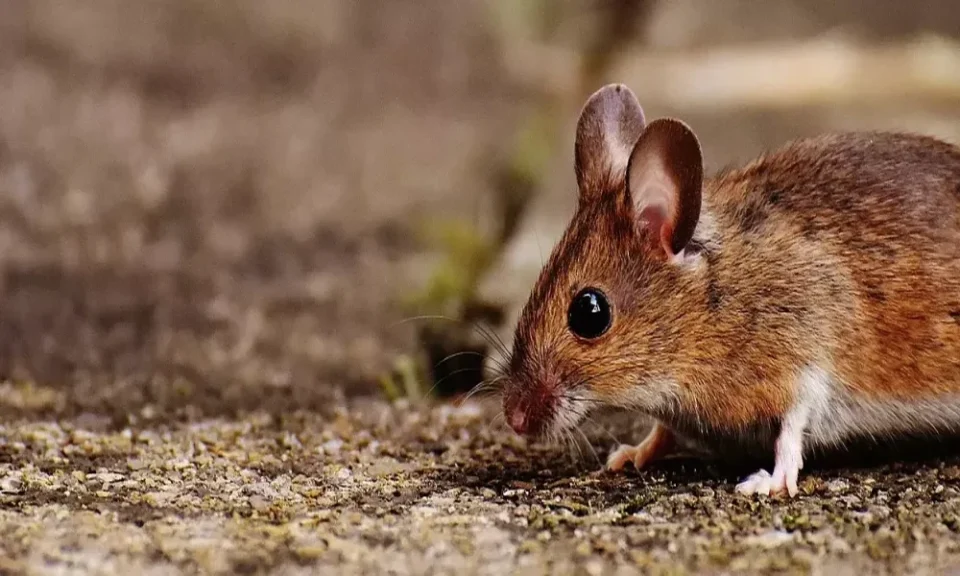
By the time mice show up in spring, the mistakes that let them in were usually made months earlier. The scratching in the wall or the droppings under the sink in April trace back to gaps left unsealed in fall, a woodpile stacked in the wrong place, or a bag of birdseed left open in the garage all winter. Fayetteville lies in a part of the Ozarks where autumn cools quickly and the first hard nights arrive before many homeowners have thought about sealing anything. Also, the region’s mice use that head start to find every opening people overlooked. A little foresight prevents most of it, but some common missteps keep providers of pest control Fayetteville Arkansas busy every spring. Here are the six that cause the most problems:
1. Assuming Winter Ended the Problem
Many people believe that if they made it through winter without seeing a mouse, they’re in the clear. Not so. Mice that moved into a wall or attic during the cold months often go unnoticed until spring, when warmer weather and breeding activity push them into the living space. A quiet winter doesn’t mean an empty house. It can just mean the mice were keeping to themselves, tucked into insulation while the temperature outside stayed low. The population that settled in becomes impossible to ignore in spring.
2. Leaving Entry Points Unsealed
A mouse can slip through a gap no wider than a dime, and the older homes in Fayetteville’s established neighborhoods, including the hillside houses around the historic square and the streets near campus, accumulate these openings as they settle over the decades. Gaps around utility lines, worn weatherstripping, and cracks where a later addition meets the original framing all read as an open door. Homeowners who never seal these entry points essentially leave a standing invitation, and no amount of trapping indoors fixes a house that keeps letting new mice in.
3. Stacking Firewood Against the House
Firewood piled against an exterior wall is one of the most common mistakes, and one of the easiest to fix. In a town where wood-burning stoves and fireplaces earn their keep through an Ozark winter, that pile often sits right against the foundation all season, giving mice shelter, warmth, and a concealed staging area a short jump from indoors. The same goes for leaf piles, dense ground cover, and yard debris left close to the walls. Keeping wood and clutter away from the house removes a favorite launching point.
4. Ignoring the Garage as a Weak Spot
Garages get overlooked because people don’t think of them as part of the living space, but to a mouse, the garage is often the easiest way in. Doors that don’t seal at the bottom, gaps around the frame, and the general clutter of a garage make it an ideal entry and nesting zone. Worse, garages store the very things mice want:
- Pet food and birdseed in unsealed bags
- Cardboard boxes that double as nesting material
- Grass seed, bulbs, and garden supplies
- Trash and recycling left uncovered
An unsealed, cluttered garage stocked with food is close to a perfect setup for a rodent.
5. Relying on One Trap
Catching one mouse and assuming the job is done is a classic error. Mice breed quickly, and where there’s one, there are almost always more. A lone trap in a corner might catch a straggler while a breeding population keeps expanding elsewhere in the house.
6. Waiting Too Long to Call for Help
The costliest mistake is simply waiting. Homeowners often hope the problem will resolve on its own, or keep trying the same ineffective fix while the mice multiply. Every week of delay gives the population room to grow and makes the eventual solution more involved. Acting at the first sign keeps a minor issue minor.
Avoiding these six missteps comes down to thinking ahead of the season. Palisade’s technicians trace a rodent problem back to the entry points and conditions behind it, and they know how Fayetteville’s older housing stock and the wooded lots on the edges of town give mice their way in.
