
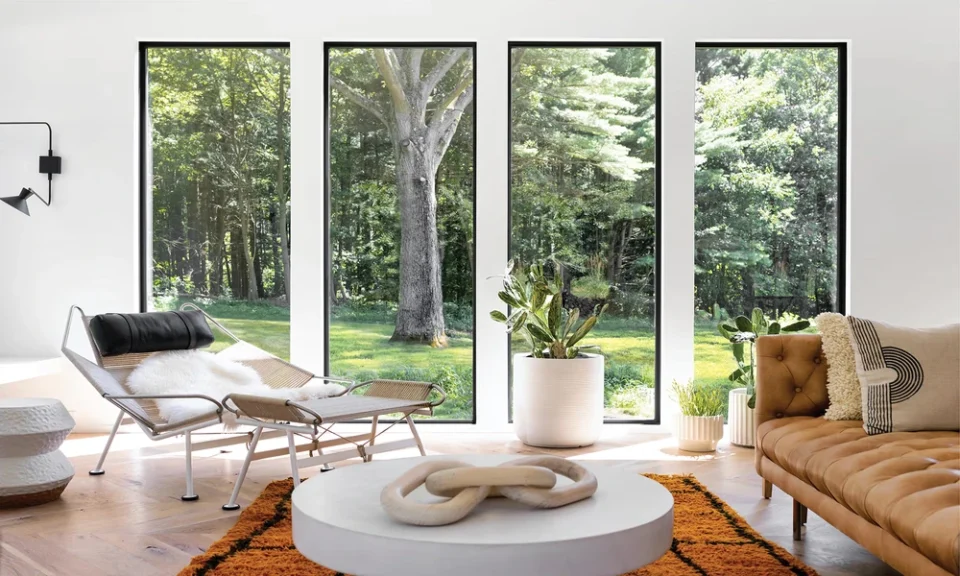
How does natural light shape interior experience?
Daylight does something to a home that artificial illumination never quite manages. Occupants feel it without always identifying it – a steadiness in energy during morning hours, a natural ease in social spaces during the afternoon, a genuine readiness for rest as evening approaches. Design approaches associated with Shirin Amin Los Angeles practitioners draw consistent connections between deliberate daylighting decisions and the quality of daily life experienced within personal spaces. Where natural exposure aligns with how a home is occupied across the day, the result is an environment that supports its residents rather than working quietly against them.
Inadequate daylighting produces effects that accumulate gradually rather than announcing themselves immediately. Occupants in poorly daylight homes frequently report low energy during active hours, difficulty concentrating during work periods, and disrupted sleep across nights that follow days spent largely under artificial illumination. These outcomes compound across weeks of daily occupation into a persistent reduction in how well a home supports the people living within it.
How light drives rhythm?
Circadian rhythm governs alertness, appetite, and the body’s shift toward rest each evening. Natural exposure is the primary external signal keeping that cycle calibrated. Morning sunlight in the kitchen and living zones tells the body to activate. Evening luminance conditions in sleeping areas either support or disrupt the physiological wind-down preceding sleep.
Two outcomes separate well-planned daylighting from spaces that have windows:
- Sustained energy – Occupants in well-daylit homes report steadier energy across the day. Natural exposure maintains afternoon alertness in ways that artificially lit environments struggle to replicate, particularly during hours when energy characteristically drops without external support.
- Sleep quality – Adequate morning and afternoon exposure followed by reduced evening luminance supports melatonin production naturally. Occupants in properly daylit homes fall asleep faster and report deeper rest than those spending extended daily hours under artificial illumination without meaningful daylight exposure.
What light decisions shape homes?
Several interior decisions determine how much quality of life benefit natural daylighting delivers across a home:
- Aperture orientation places sunlight where occupants need it during the hours they occupy each zone. Morning exposure suits sleeping and kitchen areas, while afternoon illumination serves social zones more effectively.
- Glazing specifications that manage glare and heat gain while retaining transmission quality allow larger windows without uncomfortable glare during peak hours.
- A reflective surface reduces contrast between bright perimeter zones and darker interior zones, reducing visual fatigue over long periods.
- Using shading integration, occupants can adjust intensity without losing daylight connection completely, maintaining physiological benefits while managing conditions that would otherwise produce discomfort.
- Clerestory and roof aperture placement extends daylighting into zones that perimeter windows cannot reach, ensuring deeper areas receive quality exposure that supports wellbeing throughout the day.
Zone light quality
Each zone within a home connects natural exposure to a specific quality of life outcome. Kitchens and workspaces benefit from cooler, higher-intensity daylight supporting task performance and concentration. Living areas suit warmer, diffused afternoon illumination, creating genuine conditions for decompression. Two zones carry the most direct connection to occupant wellbeing:
- Sleeping zones – Controlled morning exposure sets the circadian signal influencing energy levels across the following day. Uncontrolled sunlight accumulates into fatigue across weeks when it repeatedly disrupts sleep before occupants are ready to wake.
- Living areas – Warmer evening luminance in social zones supports psychological recovery that physical stillness alone rarely produces. Light temperature and intensity appropriately shift from morning to evening.
Light from natural daylight directly influences how occupants feel, sleep, concentrate, and recuperate every day.
