
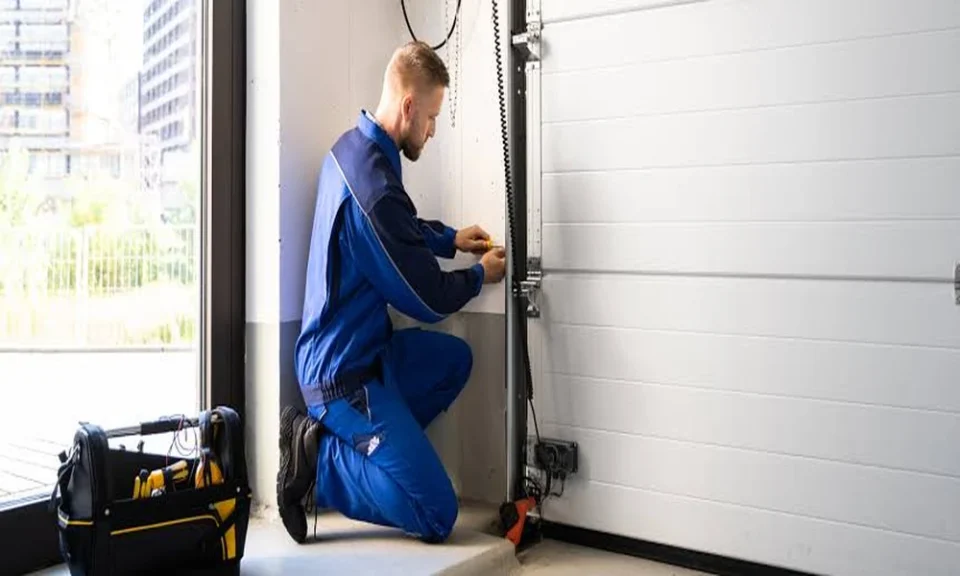
A garage door opener seems like a straightforward upgrade, but a small mistake during installation can quickly turn into a big safety hazard. What looks like a simple DIY project actually blends decades of evolving technology, serious physical risks, and the need for close attention to detail. Before you reach for your toolbox, it’s worth understanding why safety must come first at every step.
Understanding Garage Door Openers: Then and Now
The earliest garage door openers were little more than basic motors, often bolted onto heavy, single-panel doors. These older setups lacked advanced safety features, and improper installation could easily damage property or cause injury. Today, most homeowners are dealing with lightweight, segmented doors paired with smart openers that come with built-in safety mechanisms. That sounds like progress, but it also means installation now requires more technical know-how and caution.
Modern openers demand precise alignment, electrical wiring, sensor placement, and software calibration. Any shortcuts or missed details can compromise both convenience and safety.
Compatibility: Old Doors vs. New Technology
Not every garage door can handle a new opener. Solid, one-piece doors often can’t be safely automated. For most modern openers, your door should have horizontal segments that allow it to bend as it rolls upward. Always check the door’s style and age before investing in an opener kit.
Preparing for Installation: Tools, Safety, and Planning
A successful installation starts well before you unbox the hardware. Begin with a careful assessment of your current garage door. Is it in good working order? Does it move smoothly manually? Are there any bent tracks, broken springs, or worn cables? Fix those issues first. No opener can compensate for a failing door.
Next, select an opener rated for your door’s weight and size. While chain-drive models remain popular for their affordability, belt-drive options offer quieter performance and less vibration. Smart openers with app integration require additional setup and Wi-Fi access.
Gather these essential tools and safety gear:
– Ladder rated for your weight
– Power drill and bits
– Adjustable wrench
– Eye protection and gloves
– Voltage tester
– Sturdy step stool
Never wear loose clothing or jewelry during installation, as these can catch in moving parts.
Step-by-Step Installation Process Through the Years
Installation methods have changed as openers evolved. In the past, brackets were often attached with minimal reinforcement, increasing the risk of them pulling loose. Today, best practices call for securing all hardware directly to structural supports, not just drywall or thin sheeting.
After the brackets are mounted, the rail must be attached level and straight. Slide the trolley onto the rail, then carefully connect the opener to the door arm. Only then should you connect the opener to power.
Before your first test, double-check all fasteners, ensure nothing is obstructing the door’s path, and keep bystanders (especially kids and pets) well away.
Common Challenges and Safety Risks Over Time
The biggest risks are electrical shock, falling from ladders, and pinched fingers or limbs. Always cut power at the breaker box before handling wires. If your installation involves hardwiring, a voltage tester is a must for confirming no current is present.
Garage doors are heavy, and removing or reconnecting springs can be extremely dangerous. Even experienced DIYers should never attempt to adjust torsion springs themselves. For tall or insulated doors, always have a helper to steady parts.
Installation errors, such as misaligned rails or loose fasteners, can cause doors to bind, fall, or suddenly reverse course.
Advancements in Safety Features and What They Mean for DIY Installers
Today’s openers include sensors that stop and reverse the door if an object is detected in its path, but only if they’re installed correctly. Mount sensors no higher than six inches off the ground, facing each other without obstructions.
Auto-reverse features depend on accurate calibration. Test this by placing a small object (like a cardboard box) in the door’s path. If the door does not reverse immediately, recalibrate the system or review the instructions.
When to Call the Professionals: Understanding Limitations
If your garage has particularly high ceilings, heavy doors, or unclear wiring, calling a professional is the safest route. Likewise, if you run into any step that feels outside your comfort zone, it’s better to pause than to push ahead.
Ignoring professional advice can void warranties and create costly damage. Experts suggest that Door Doctor garage door opener installation is often the smartest move if you want guaranteed safety and proper function.
Maintaining Safety After Installation
Even after a flawless install, your job isn’t finished. Inspect the mounting hardware and safety sensors monthly. Listen for unusual noises or jerky movements. Many common issues, like misaligned sensors or loose brackets, can be fixed without risk if caught early. If your opener begins to malfunction, consult the manual before attempting repairs, and disconnect power before investigating.
When upgrading to a new smart opener or adding features, follow the same safety-first approach. Technology changes, but the risks remain.
Future Trends in Garage Door Openers and Installation Safety
Next-generation openers will likely include even more automation, from self-diagnosing systems to enhanced security controls. Wireless safety sensors, cloud updates, and voice activation are already finding their way into homes. As installation steps change, so too will the skills required for safe setup. Stay informed and never hesitate to call in experts for new, unfamiliar systems.
Garage door openers make life easier, but only when installed safely and correctly. Whether you take the DIY route or call a pro, your attention to detail is the best protection your home and family can have.
