
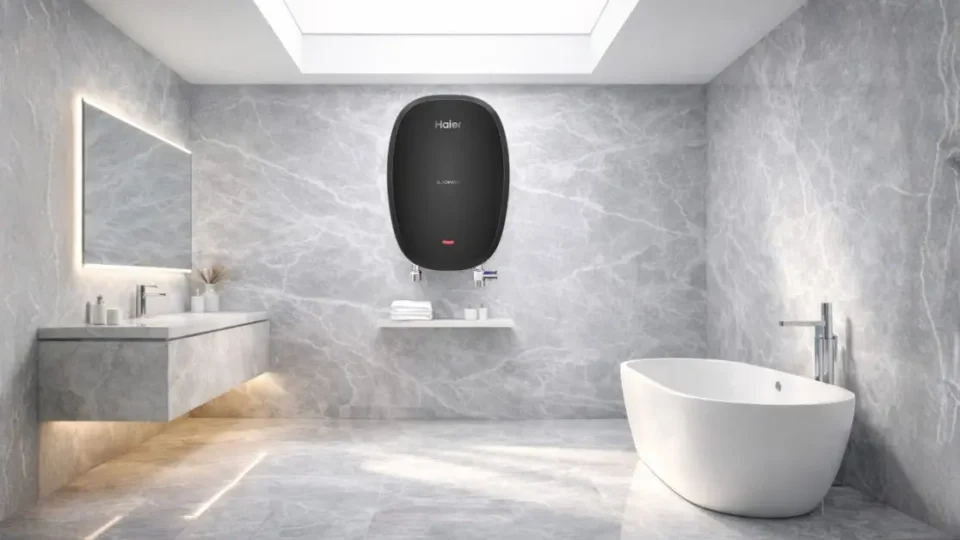
Comfort inside a residence depends heavily on systems that operate steadily without constant oversight. Warm water availability supports shared spaces, private moments, and everyday household expectations. Modern households increasingly value reliability over temporary performance gains. Reliable planning increasingly centers on hot water systems bathurst as households expect uninterrupted comfort that blends seamlessly into daily living.
Reliable Supply For Everyday Comfort
A stable supply allows households to function without interruptions or adjustments. When delivery remains consistent, routines continue smoothly and shared spaces feel dependable. Reliability removes uncertainty, allowing residents to focus on daily priorities rather than system limitations. That quiet dependability forms the foundation of residential comfort.
Choosing Systems For Home Demand
Every household presents unique demand patterns shaped by size, layout, and usage timing. Selecting the right system requires realistic assessment rather than assumptions. Capacity that aligns with actual demand reduces strain and improves long-term performance.
Factors That Influence Selection
- Household size affects daily usage volume
- Property layout shapes distribution efficiency
- Storage capacity supports overlapping use
- Recovery speed limits waiting periods
- Energy source impacts operational steadiness
- Control options improve user confidence
Balanced selection encourages smoother operation across different usage periods. When systems suit the household, performance remains steady without unnecessary adjustments.
How Do Homes Maintain Consistency?
Consistency depends on understanding when demand rises and falls. Morning and evening usage often tests system capacity the most. Homes maintain reliability by anticipating these patterns and ensuring supply aligns with peak expectations. When output matches demand, interruptions become far less noticeable.
Installation Factors Influencing Performance
Installation quality directly affects how systems perform over time. Placement, configuration, and calibration determine whether equipment operates smoothly or experiences early stress. Even well-chosen systems can underperform if installation lacks precision.
Installation Elements That Matter
- Correct sizing prevents pressure imbalance
- Secure fittings reduce gradual inefficiencies
- Accessible placement allows easier adjustments
- Proper ventilation protects internal components
- Stable mounting limits operational strain
- Accurate calibration ensures consistent output
Attention during installation supports long-term reliability. Thoughtful setup helps systems deliver dependable performance without frequent intervention.
What Should Homeowners Consider First?
Homeowners often notice inconsistency before identifying its cause. Uneven delivery usually reflects mismatched capacity rather than sudden malfunction. System efficiency often improves when hot water systems bathurst are matched to property demand, allowing confidence to replace frustration during everyday use.
Longevity And Operational Confidence
Operational confidence grows when systems function within their intended limits. Overextension accelerates wear and reduces reliability. Consistent operation supports durability, helping households depend on their systems without ongoing concern. Longevity becomes a natural outcome of balanced use and proper setup.
Comfort That Quietly Supports Living
Reliable systems rarely draw attention when functioning as intended. Their value appears through uninterrupted availability and steady performance. When consistency remains intact, homes feel calmer and more dependable. That quiet support strengthens everyday comfort without demanding focus or adjustment.
Reliable performance often goes unnoticed because it avoids disruption entirely. Steady delivery allows household expectations to remain uninterrupted throughout varied usage moments. Dependability becomes part of the background rather than a visible concern. That subtle consistency reinforces trust in home systems without demanding awareness or adjustment.
