
Winter energy costs in Canada continue to rise, and many homeowners feel the impact the moment temperatures drop. Drafty rooms, uneven heat, and constant furnace use become recurring frustrations, especially in older homes or properties with aging roofing systems. A well-insulated roofing structure plays a major role in regulating indoor warmth, yet it is often overlooked in favour of quick fixes such as portable heaters or new windows. Choosing metal roofing becomes an effective long-term solution because it helps reduce heat loss, improve energy efficiency, and stabilize indoor temperatures. With better performance and stronger materials, it offers a financial and functional advantage during the coldest months of the year. Instead of fighting the thermostat all winter, homeowners can create a more comfortable environment without constantly increasing energy consumption.
How Metal Roofing Improves Winter Energy Efficiency
Metal roofing contributes to lower energy bills by helping regulate indoor temperature more consistently. When installed with proper insulation and ventilation, it reduces heat transfer, allowing warmth generated inside the home to stay where it is needed. This improved thermal performance prevents excessive heat loss through the roof, which is often one of the major sources of energy waste in winter. Less heat escaping means the furnace does not need to run as frequently or for as long, reducing energy consumption without compromising comfort. Even a small improvement in thermal retention can make a noticeable difference on monthly utility costs during months of frequent cold snaps.
Another advantage is how metal roofing works with radiant heat. Metal surfaces reflect heat rather than absorb it, which becomes helpful during sunnier winter days when sunlight can assist in warming the building. The combination of reflective properties, insulation, and tight seams reduces the drafts, cold spots, and uneven heating that drive up furnace use. Unlike traditional roofing materials that degrade over time, metal roofing maintains this performance for decades. This consistency is valuable in a climate where heating demands are not limited to one or two months but can stretch across half the year.
Why Roofing Problems Drive Up Heating Costs
Many homeowners are surprised to learn that poor roof performance is one of the largest contributors to high winter heating bills. Older roofing materials may have gaps, damaged shingles, or compromised underlayment that allow heat to escape quickly. Once warmth escapes, cold air enters the attic, creating drafts and uneven room temperatures. This forces heating systems to work harder, which results in higher bills and more frequent furnace maintenance. Problems often escalate in homes where insulation has settled or compressed, reducing its ability to retain heat. Without an efficient roof structure, no amount of furnace adjustment can achieve stable comfort.
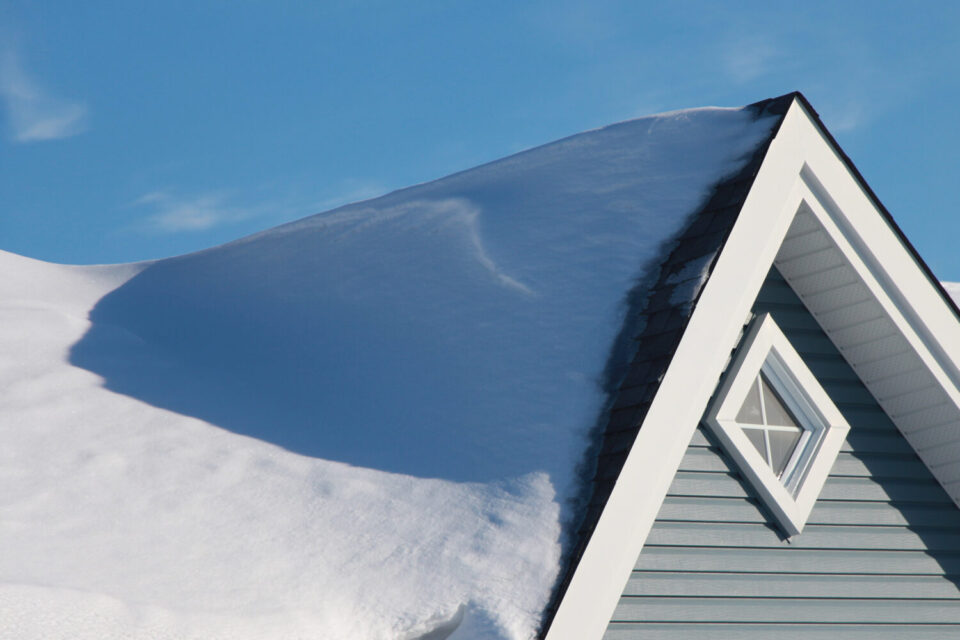
Ice dams also play a role in energy loss. When heat escapes through the roof and melts snow, the water refreezes at the edge, creating dams that trap moisture and increase heat loss. This cycle not only damages roofing materials but also reduces insulation efficiency. Repairing leaks and insulation is expensive and often requires multiple visits, especially in winter. Metal roofing reduces the likelihood of ice dams by shedding snow more effectively and preventing heat escape. Improving the building envelope from above becomes a key strategy in controlling heating costs long-term.
The Long-Term Savings of Choosing Metal Roofing
While metal roofing has a higher upfront cost compared to traditional shingles, the financial benefits accumulate over time. Reduced energy use translates into ongoing monthly savings, particularly in provinces where winter heating is a major expense. A roof that helps stabilize indoor temperatures also extends the life of a furnace by reducing strain. Furnaces and heat pumps that cycle less frequently experience fewer breakdowns and lower repair costs. These savings are often overlooked but contribute significantly to long-term return on investment.
Durability enhances the financial value further. Metal roofing systems last several times longer than traditional materials and require fewer repairs. Instead of budgeting for replacement every 15 to 20 years, homeowners benefit from a roof that can perform reliably for 40 to 70 years, depending on the system. Modern coatings also help metal roofing resist rust, fading, and corrosion, even in regions with heavy snowfall, freezing rain, and road salt. Long-term reliability and reduced maintenance costs make it an appealing upgrade for homeowners focused on both energy savings and resale value.
An Eco-Friendly Approach to Winter Comfort
Metal roofing aligns with the growing demand for sustainable, energy-efficient building materials. Many systems use recycled content and can be fully recycled at the end of their life cycle, reducing material waste. Lower energy use also means reduced greenhouse gas emissions, making homes more environmentally responsible. Winter comfort becomes less about cranking the furnace and more about building a structure that retains heat efficiently. This shift benefits homeowners and supports broader sustainability goals.
Homebuyers increasingly value energy-efficient features, which influences marketability and resale potential. A metal roof signals long-term performance rather than short-term repairs, appealing to buyers who want practical upgrades. Energy efficiency also supports healthier indoor environments by reducing cold drafts, condensation, and inconsistent temperatures that cause discomfort. Improving the roof structure becomes a smart way to meet modern expectations for comfort, sustainability, and cost control without constant manual intervention.
Warming Up to the Idea Has Never Made More Sense
Rising energy bills are not simply an inconvenience but a recurring cost that affects household budgets all winter long. Metal roofing offers a practical solution by improving insulation, reducing heat loss, and stabilizing indoor comfort without endless furnace adjustments. It provides reliable performance in a climate where winter demands are unavoidable, while also reducing long-term maintenance and energy expenses. For homeowners tired of high bills, cold rooms, and constant thermostat battles, investing in a better roofing system becomes a smart step toward a more efficient and comfortable home. Winter may always be cold, but staying warm does not have to come with a hefty price tag.
