
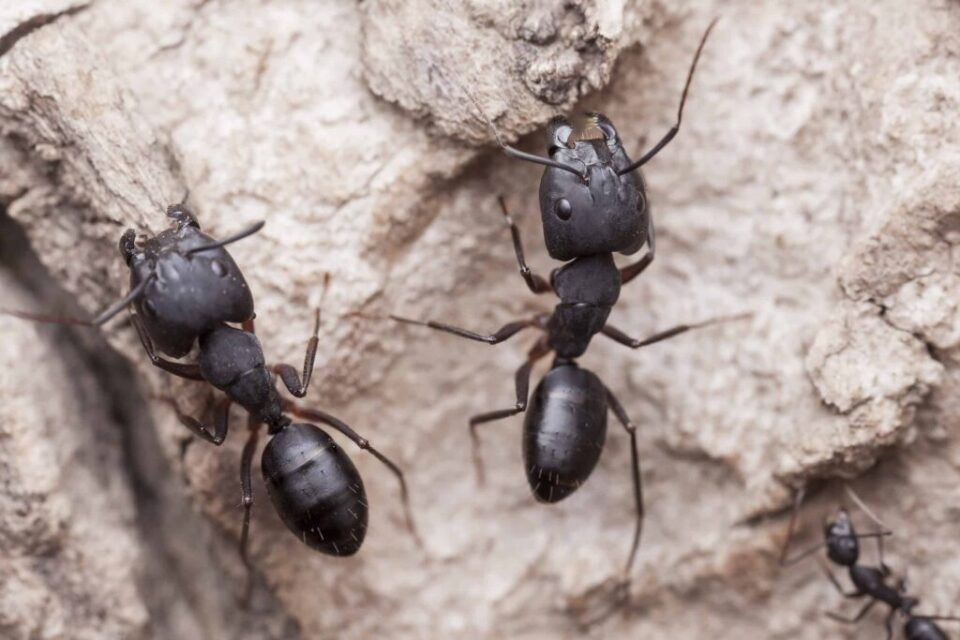
Carpenter ants may look similar to other ants, but their goals inside an Elgin home differ. These large, dark ants do not eat wood like termites, but they rely on it for nesting. Carpenter ants that move indoors look for specific conditions that support the growth of their colony and long-term shelter. This makes it crucial to understand what attracts carpenter ants. This allows homeowners to spot risk factors early and protect their property by letting Pointe Pest Control handle the elimination job for them. Here’s what carpenter ants want from your home:
A Safe Place to Build a Nest
Carpenter ants look for quiet, protected spaces where their colonies can expand freely. They prefer damp or weakened wood that is easier to hollow out. Thus, they can target window frames, door frames, roof edges, basements, crawl spaces, and areas near plumbing. Moisture softens wood fibers, which allows ants to carve smooth tunnels for nesting. These galleries can weaken structural components, even though the ants do not consume the wood itself.
Moisture From Leaks and Humidity
Carpenter ants can get moisture from homes with leaky pipes, roof damage, poor drainage, and high indoor humidity. They rely on moisture to survive, raise young, and maintain their nests. They get the ideal environment in bathrooms, kitchens, laundry rooms, and basements. Also, they take advantage of outdoor moisture. Wood siding, decks, or fences that stay damp after rain increase the risk of carpenter ant activity near entry points.
Food Sources That Support the Colony
Carpenter ants search for sugars, proteins, and grease inside homes. They can get nourishment from crumbs, spills, pet food, and unsecured pantry items. Also, carpenter ants feed on insects, plant nectar, and honeydew produced by aphids.
Quiet and Undisturbed Areas
Carpenter ants prefer low-traffic spaces. They enjoy the privacy and stability that attics, wall voids, crawl spaces, and storage areas offer. These areas often go unchecked for long periods, allowing colonies to grow without being detected by humans.
Wood That Shows Wear or Damage
Older or weathered wood attracts carpenter ants. Rot, cracks, and previous water damage make wood easier to excavate. Homes with aging siding, worn window trim, or damaged decks can be of greater risk of infestations. Ants often start outdoors in decayed tree stumps, logs, or firewood piles, then move closer to the home as colonies expand.
Warmth During Cooler Months
Carpenter ants search for warmth indoors during colder months. They can protect their colonies from harsh weather while inside heated walls, attics, and crawl spaces. Seasonal changes in Elgin can encourage ants to move from outdoor nests into homes.
Access Through Small Openings
Carpenter ants can enter homes through small cracks, gaps around windows, utility lines, and foundation seams. Also, they can use overhanging tree branches and shrubs that touch siding as bridges. Routine inspection of these areas helps reduce access and limit colony growth.
Signs That Ants Found What They Want
Homeowners may notice sawdust-like material, known as frass, near baseboards or windows. This material consists of wood shavings pushed out of nesting tunnels. Rustling sounds within walls may also point to carpenter ant activity. The presence of large black ants inside the home may indicate that an established nest is just nearby. Also, homeowners may spot winged ants indoors if carpenter ant colonies have expanded.
Outdoor Conditions That Increase Risk
Carpenter ants can easily build nests if they have access to mulch placed too close to the foundation and stacked firewood. Even fallen branches and decayed stumps can make nest-building easy. Moist soil near the home also supports ant survival. Carpenter ants may thrive outdoors before moving closer to structures.
