
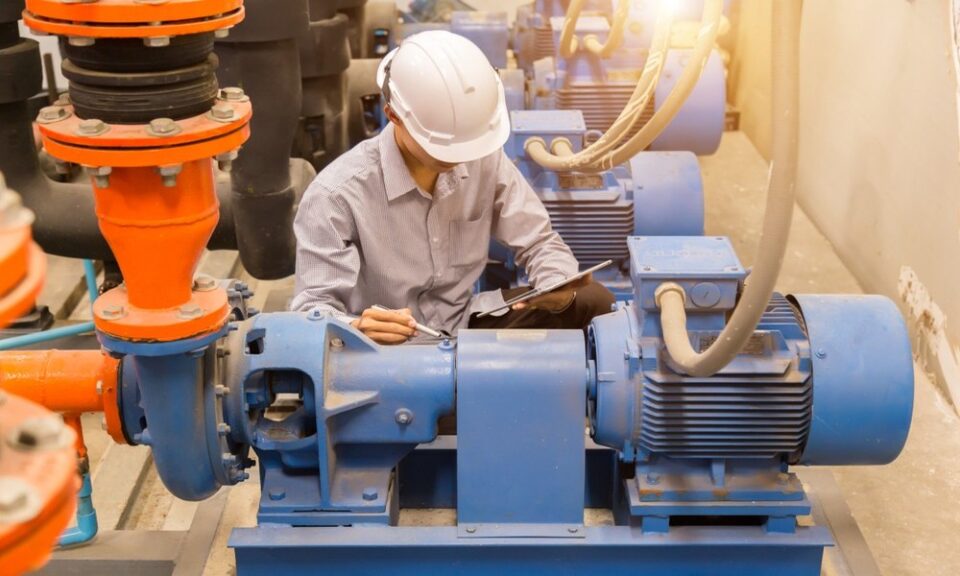
Pumps are vital for managing water and fluids across homes, gardens, and industrial sites in the UK. However, like all mechanical equipment, pumps can fail if not properly selected, installed, or maintained. Understanding the common causes of pump failure is key to extending their lifespan, reducing downtime, and saving money on repairs or replacements.
1. Running the Pump Dry
One of the most frequent causes of pump damage is running it without water or fluid. When a pump operates dry, internal components such as seals, impellers, and bearings can overheat and wear prematurely.
How to prevent it:
- Use pumps with float switches or automatic sensors for water detection.
- Always ensure the pump is submerged or primed before switching on.
2. Blockages and Debris
Debris, sand, silt, or leaves can clog pumps, especially dirty water and trash pumps. Blockages restrict flow, strain the motor, and may lead to permanent damage.
How to prevent it:
- Install strainers or screens on intakes to catch debris.
- Regularly inspect and clean pumps, especially after heavy rain or flooding.
3. Improper Installation
Incorrect installation can put unnecessary stress on pumps. Misaligned hoses, inadequate drainage, or incorrect electrical connections can cause failure over time.
How to prevent it:
- Follow the manufacturer’s installation guidelines carefully.
- Ensure hoses are properly secured, with minimal bends or kinks.
- Use appropriate electrical protection such as RCDs in wet environments.
4. Excessive Wear and Tear
All pumps experience wear, but heavy use without routine maintenance accelerates deterioration. Bearings, seals, and impellers are particularly vulnerable to wear.
How to prevent it:
- Schedule regular maintenance checks according to manufacturer recommendations.
- Replace worn parts promptly.
- Avoid operating pumps beyond their specified flow or pressure limits.
5. Electrical or Fuel Issues
For electric pumps, voltage fluctuations, damaged cables, or faulty switches can cause failure. Petrol or diesel pumps may suffer from stale fuel, oil problems, or dirty air filters.
How to prevent it:
- Check electrical connections and inspect cables regularly.
- For fuel powered pumps, change oil, clean air filters, and use fresh fuel.
- Use surge protection or stabilisers for electric pumps in areas prone to voltage fluctuations.
6. Environmental Factors
Temperature extremes, corrosion, and exposure to chemicals can reduce pump lifespan. Submersible pumps operating in abrasive or chemically aggressive water are particularly at risk.
How to prevent it:
- Select pumps designed for the specific environment and fluid type.
- Consider corrosion-resistant materials such as stainless steel for harsh conditions.
- Store pumps in a dry, frost-free area when not in use.
Frequently Asked Questions
How long should a well maintained pump last?
With proper maintenance, many high quality submersible pumps and site pumps can last 10-15 years or more.
Can regular cleaning really prevent pump failure?
Yes. Removing debris and checking internal components prevents clogs and reduces wear.
Is it worth investing in automatic features like float switches?
Absolutely. Automation prevents dry running and can protect the pump from many common issues.
What’s the most common reason for pump failure in UK homes?
Running a pump dry or failing to remove debris are the most frequent causes of domestic pump issues.
Final Thoughts
Pump failure can be costly and inconvenient, but many issues are preventable. By understanding the common causes such as dry running, blockages, improper installation, wear, electrical problems and environmental factors, operators can take proactive steps to protect their equipment.
Regular inspection, proper installation, and using the right pump for the right application are key strategies for ensuring long-lasting, reliable performance.
