
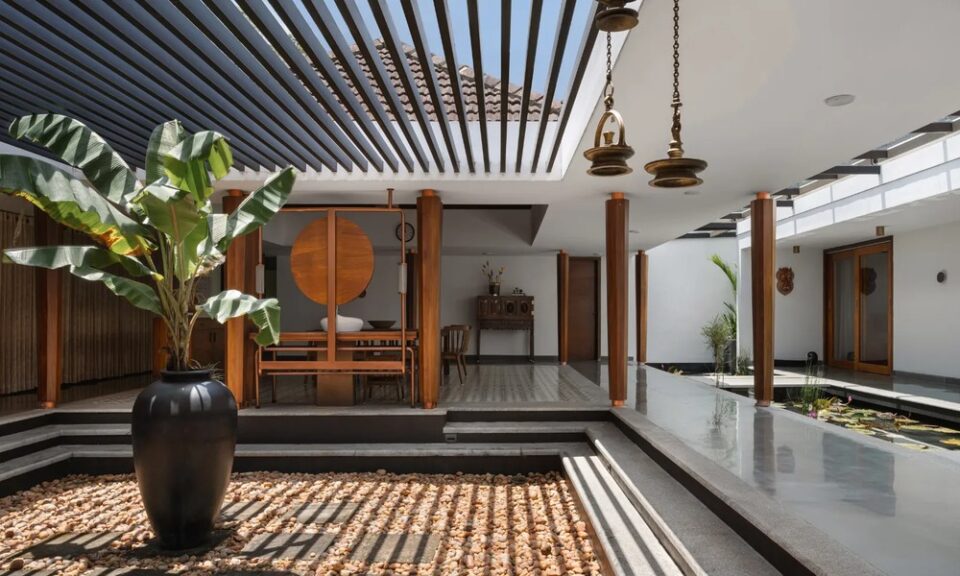
Creating a contemporary home involves more than just aesthetics. It is a thoughtful blend of form, practical function, and personal expression. This field has evolved from its historical foundations to embrace today’s diverse needs.
The current landscape focuses on crafting harmonious, liveable environments. Key themes include innovative materials and open spatial planning. Sustainable practices and global cultural inspirations are equally significant.
Understanding these core principles is valuable for homeowners and enthusiasts alike. It empowers people to shape spaces that are both beautiful and highly functional. Studios such as Sepia Design demonstrate this holistic philosophy in action.
This exploration will analyse various architectural styles and design approaches. It will detail how natural light, colour, and layout define a home’s atmosphere. The aim is to offer clear, authoritative insights for your own projects.
Key Takeaways
- The discipline skilfully merges visual appeal with everyday practicality.
- Current trends favour open-plan layouts and seamless indoor-outdoor connections.
- Sustainable materials and energy-efficient solutions are now fundamental considerations.
- Global cultural influences enrich contemporary aesthetic choices and details.
- A clear grasp of design terminology aids in both planning and appreciation.
- Natural light and a thoughtful colour palette are crucial for creating ambiance.
- The diversity of available styles allows for highly personalised living environments.
Exploring Modern Residential Architecture and Interior Design Trends
Today’s most exciting dwellings reflect a dynamic dialogue between historical inspiration and forward-looking solutions. This examination highlights significant movements shaping contemporary living.
Innovations in Home Architecture
Current practice in shaping dwellings often traces its lineage to mid-century modernism. This movement grew from the 1940s through the 1970s. Pioneers such as Rudolf Schindler and Josef Eichler were key architects of this era.
Their work emphasised intelligent flow between spaces and purposeful simplicity. Today’s practitioners build upon this foundation while addressing new challenges. They incorporate smart technologies and create homes that respond sensitively to their environment.
Latest Concepts for Interiors
Inside these spaces, contemporary approaches prioritise multi-functional areas and sustainable practices. Creative professionals seek seamless integration between indoor and outdoor zones.
This is achieved through strategic material selection and thoughtful spatial organisation. The aim is to foster wellbeing while ensuring adaptability. These concepts balance aesthetic aspirations with practical energy efficiency.
Innovative Materials and Open Floor Plans
Two pillars define the success of today’s built environments: intelligent material choices and liberated spatial layouts. This synergy creates homes that are both resilient and adaptable.
Thoughtful selection focuses on substance and craft. A restrained palette allows the inherent beauty of wood, stone, or metal to become the focal point.
Smart Material Selection
Exterior surfaces often continue inside. This technique erodes the barrier between a dwelling’s interior and the garden or landscape beyond.
Location dictates practical needs. Coastal settings demand resistance to salt, moisture, and intense sun. Mountain retreats require materials that withstand heavy snow, UV exposure, and sharp temperature shifts.
“The right material tells a story of place and purpose,” notes a seasoned architect. It must harmonise with its surroundings.
| Environment | Key Challenges | Recommended Material Types |
|---|---|---|
| Coastal | Salt corrosion, high humidity, sand abrasion | Stainless steel, treated timber, fibre-cement cladding |
| Mountain | Freeze-thaw cycles, heavy snow loads, high UV | Dense stone, engineered wood, thermally broken aluminium |
The open floor concept supports flexible living. These spaces encourage family interaction and can evolve over time.
Successful design balances this openness with areas for quiet retreat. Strategic furniture placement and varied ceiling heights help define zones without walls.
Design Inspirations from Global Pioneers
Inspiration for today’s homes often springs from the distinct philosophies of architects across continents. Studying these pioneers reveals how culture and climate shape living spaces.
European Elegance vs. Californian Modernism
European traditions often emphasise craftsmanship and material richness. This creates residences with deep cultural resonance and formal elegance.
In contrast, Californian modernism is tailored to mild weather and abundant sunlight. Features include flat roofs and large glass expanses.
Interior courtyards bring light and life deeper into the home. The influential architect Richard Neutra championed this approach.
His work inspires projects globally. For example, a South African house by architects Silvio Rech and Lesley Carstens references Neutra’s design principles. This demonstrates the global reach of his ideas.
Coastal Retreats and Mountain Escapes
Coastal modernism prioritises connection to the site. Homes are designed to maximise views and integrate with the landscape.
Architect Raëd Abillama created a coastal retreat in Lebanon with an infinity pool. It offers seamless views to the Mediterranean.
Mountain modern addresses challenges like snowfall and UV exposure. These dwellings balance practicality with striking aesthetics.
Landscape architect Jenny Graham acted as designer for a concrete monolith in Argentina. Here, the landscape dictated the architectural form.
Architectural Ingenuity in Resilient Home Renovations
Architectural ingenuity shines brightest when rebuilding homes to withstand future challenges. This process often follows natural disasters or the need to update ageing structures. It requires a balance of robust materials, thoughtful planning, and respect for history.
Leading practices specialise in renovations that respond to environmental threats. They prioritise both safety and aesthetic excellence.
Insights from Sepia Design
Firms like Sepia Design exemplify principles for resilient upgrades. They focus on materials that harmonise with a site and offer protection.
After Hurricane Sandy, a Long Island family commissioned a new guest house. The architect used a sapele mahogany rain screen that weathers naturally.
In Montecito, a residence rebuilt after wildfire features fire-resistant metal cladding. This provides peace of mind and sculptural beauty.
| Project Location | Primary Challenge | Resilient Design Solution |
|---|---|---|
| Long Island, New York | Coastal storms & salt corrosion | Sapele mahogany rain screen that weathers to blend |
| Montecito, California | Wildfire risk | Fire-resistant metal cladding for entire residence |
| San Antonio, Texas | Updating historic fabric | Modern extension with fortified courtyard |
| Manhattan, New York | Integrating new with old | Glass top floor contrasting original townhouse |
Historic Meets Contemporary
In San Antonio, a stone workers’ cottage received a sensitive addition. A new wing holds a kitchen and bedrooms, opening to a courtyard.
Architect Vicki Yuan noted, “Giving something another chapter just makes it even more special.”
An 1890s Manhattan townhouse gained a dramatic glass top floor. This contrasts with historic elements below, showing how old and new can dialogue.
A 1935 Houston house had its original plan restored. Period details mix with bold colours and family heirlooms for timeless elegance.
Resilient renovations need architects who honour a site’s history. They must meet modern performance standards and suit evolving family life.
Integrating Natural Light and Sustainable Elements
Thoughtful integration of natural light and eco-conscious materials defines progressive domestic spaces. Today’s projects place strong emphasis on their specific location. They ensure interiors connect meaningfully to the site.
Virtually all prioritise a fundamental link to the outdoors. This connection enhances wellbeing and reduces energy use.
Eco-friendly Interiors and Local Materials
Maximising daylight is a primary strategy. Strategic window placement and clerestory glazing reduce dependence on artificial light. These techniques create spaces that feel larger and more welcoming.
Sustainable design extends to material specification. Using locally-sourced stone or timber reduces transportation impacts. Low-VOC finishes improve indoor air quality for healthier living.
For example, a Fayetteville home features limestone walls and a sophisticated palette. Its gold lustre touches nod to the surrounding Ozarks landscape.
A Manhattan Beach dwelling uses scalloped concrete walls. Expansive interiors open to a terrace with ocean views.
In Idaho, a mountain home employs fir Glulam beams and matte-black steel. Expansive windows frame sweeping vistas, blending warmth with industrial beauty.
Refined Interior Architecture and Designer Details
The true character of a home is often revealed through its refined interior architecture and considered designer details. Skilled practitioners deftly meld structural form with artistic vision. This creates harmonious, purposeful interiors that balance aesthetics with daily function.
Minimalistic Style and Functional Spaces
Minimalist style champions simplicity and purpose. It prioritises clean lines and uncluttered space. Every element serves a clear intention, fostering calm, serene environments.
Functional planning understands circulation and activity zones. A Chicago home demonstrates this, balancing openness with intimacy. Its seamless connection to nature and a cathedral ceiling define the architecture.
Luxury and Bespoke Elements
High-end projects elevate interior architecture with custom details. A Dallas residence merges classical forms with contemporary living. Rich woods, luxurious marble, and bespoke metalwork achieve a luxe, intimate feel.
A Scottsdale home features a speakeasy bar and bowling alley. White oak floors and vibrant art warm the design. In Palm Beach, a soft blue palette and custom millwork create a relaxed ambience. The open-concept kitchen is perfect for entertaining.
Ultimately, refined interior architecture balances minimalistic restraint with strategic luxury. Each surface contributes to a beautiful, practical design vision for today’s living.
Exploring Cultural Influences in Home Design
Global cultural traditions offer a rich tapestry of ideas that shape how we conceive our living spaces. While various styles have unique terms, they share common ground. Each approach is cut from the same cloth of contemporary architecture.
In many ways, these philosophies are more similar than different. They all seek to create harmonious environments for daily life. This shared foundation allows for a beautiful synthesis of global inspiration.
Japanese and Scandinavian Inspirations
Japanese architecture takes a reductive, contemplative approach. Special importance is placed on material beauty and craftsmanship. Unique features like the tokonoma (alcove) or engawa (covered corridor) define these homes.
Scandinavian design has gained great popularity recently. It is best characterised by the concept of hygge. This term describes a prized sense of warmth and cosiness.
This philosophy influences everything from spatial planning to material choice. Natural, high-quality materials and clean lines create serene interior spaces. The result is a highly functional yet calming environment.
Cross-cultural synthesis is also a powerful inspiration. A house in Santa Lucia Preserve blends Californian living with Korean influences. Its Z-shaped plan achieves accessibility, cultural reverence, and natural beauty for a multigenerational family.
True cultural integration requires understanding underlying principles. It moves beyond superficial aesthetics. This approach brings depth and meaning to how we conceptualise home life, enriching modernism in many ways.
Enhancing Spaces with Colour and Accents
Beyond layout and furniture, colour and accents are the soul of a living space, defining its personality. Thoughtful palettes transform rooms, adding warmth and character.
Colour and Light: A Touch of Sepia
Warm, earthy tones create inviting interiors. Sepia-inspired hues work with natural light to add depth. They connect to materials like wood and stone.
An Alabama lakeside house shows this approach. Its stained-wood walls evoke warmth and ease. The alcove kitchen mixes rustic charm with playful accents.
Bold Contrasts and Subtle Hues
Designers balance dramatic statements with restraint. A Brooklyn Art Deco brownstone mixes warm and cool tones. These complement show-stopping interior architecture.
A Houston restoration features bold colours and rich textures. Art Deco pieces mingle with family heirlooms. The result is timeless beauty.
Clean lines and material beauty matter. Japanese and Scandinavian principles influence this style. High-quality materials need thoughtful colour choices.
| Colour Application | Design Effect | Example |
|---|---|---|
| Warm, earthy palette | Creates inviting, timeless spaces | Alabama lakeside house with stained-wood walls |
| Mix of warm/cool tones | Highlights architectural lines | Brooklyn brownstone’s Art Deco interiors |
| Bold colours with texture | Adds personality and charm | Houston restoration with heirloom pieces |
| Soft, airy palette | Promotes relaxed ambience | Palm Beach residence with custom millwork |
Successful colour application enhances rather than dominates. It supports the overall vision while adding personality. This creates houses that feel like true homes.
Conclusion
From blueprint to lived-in reality, the creation of a home is a deeply collaborative endeavour. Successful modern homes result from a shared vision between client, architect, and designer. This partnership shapes interior architecture and the overall aesthetic vision.
These dwellings, from mountain retreats to Art Deco revivals, share core principles. Connection to the landscape and site is fundamental. They address practical needs for family life and resilience, enhancing daily living.
Understanding key terms and principles empowers better decisions. Whether planning a new residence or renovating a house, this knowledge is vital. It ensures spaces enhance wellbeing and reflect personal style.
The field of modern design continues to evolve, embracing new technologies and cultural inspiration. Yet timeless ideals of beauty, function, and place remain. This ensures well-crafted homes with thoughtful kitchens, panoramic views, and clean lines will be cherished for generations.
