
Key Takeaways
Custom electrical solutions not only boost project efficiency, but they also tackle unique construction demands while reducing delays. This tailored approach enhances resource allocation and fosters teamwork among stakeholders.
When the latest technologies, like Building Information Modeling, are embraced, the potential to cut project delays by as much as 30% emerges. Such advanced tools pave the way for coordinated efforts, helping to prevent costly changes during construction.
Adhering to local electrical codes is vital for ensuring both safety and legal compliance. Skilled professionals work diligently to guarantee that installations align with regulations, sidestepping fines and cultivating a culture of safety within the construction environment.
Proactive safety initiatives, such as regular training and the installation of GFCI outlets, greatly diminish workplace accidents, thereby safeguarding investments substantial in construction projects.
Incorporating energy efficiency into electrical design not only curbs utility expenses but also heightens property values. Cutting-edge solutions such as LED lighting and smart systems yield long-term financial and environmental advantages.
Experienced contractors are crucial in adhering to timelines, employing proactive planning and effective communication to circumvent delays and guarantee project completion as planned.
Efficient logistical management amongst various trades reduces conflicting priorities and minimizes downtime during construction. Expert teams ensure seamless coordination of schedules and maintain open communication to streamline processes and fulfill project expectations.
Unveiling the Competitive Edge of Modern Electrical Solutions
How Tailored Services Drive Project Efficiency
Often, custom solutions distinguish a successful construction project from one riddled with setbacks. Tailored services facilitate the electrical system installation, addressing specific project requirements decisively. These designed systems not only meet technical specifications, they also amplify overall project efficiency. When clients engage with new construction electrical services, they’re really choosing flexibility that can elevate the entire endeavor.
For instance, meticulous planning of electrical layouts results in fewer modifications onsite. These adjustments help to cut down downtime and diminish errors that could disrupt the workflow. It’s all about collaboration; teams functioning in harmony are generally more productive, pushing project ambitions forward and limiting interruptions.
Experts believe that the adoption of these personalized services can substantially enhance productivity. Think about how dedicated project managers handle documentation, oversee workflows effectively, and ensure all aspects are addressed. This strategic methodology not only optimizes resource allocation but also unites everyone toward a shared objective: timely and budget-friendly completion.
The Impact of Latest Technology on Construction
Technology adoption is crucial in the competitive landscape of today’s market. Innovative tools are redefining how electrical installations are performed. Advanced CAD software for precise designs or smart systems for monitoring energy consumption exemplify how prevalent technological influence is. By incorporating these tools, construction teams ensure wires are installed strategically and outlets are powered efficiently.
Consider how programs like Building Information Modeling (BIM) foster real-time collaboration among project teams. The ability to visualize complex electrical systems prior to construction mitigates the need for costly adjustments later. Industry studies indicate using BIM can facilitate a 30% reduction in project delays.
Adding to this is the growing presence of IoT systems, enabling smart building management. Many contemporary structures now feature smart technologies that modify lighting and temperature based on occupancy, improving comfort while significantly lowering operational costs. Employing new construction electrical services that integrate such technologies gears both service providers and clients towards sustained success.
Boosting Safety Standards with Expert Electrical Design
Why Compliance Matters: Working through Local Codes
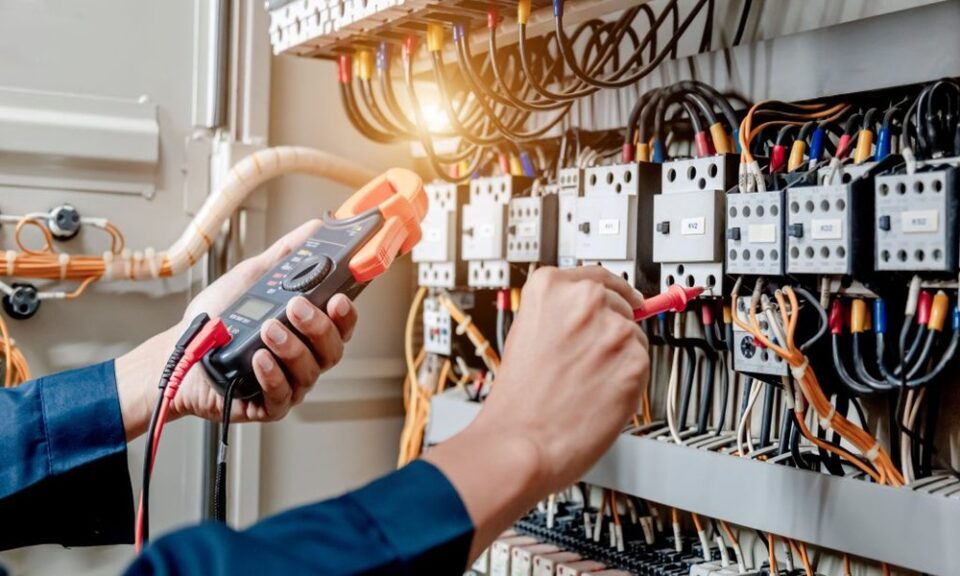
In the construction industry, safety is non-negotiable, particularly regarding electrical design. Each region has its own codes aimed at ensuring installations are both safe and effective. Professionals well-versed in local codes understand the necessity for compliance and navigate these regulations expertly. Missteps in this domain can lead to fines, rework, or, worse, legal complications.
By guaranteeing compliance, clients can feel more secure knowing their projects rest on a robust foundation. Implementing thorough inspections throughout various stages of construction can help identify potential issues early. It’s about more than just following rules; it’s about cultivating a safety-first mindset from the ground up.
Common compliance checks often include:
- Reviewing calculations related to electrical load
- Inspecting grounding methods used
- Verifying protection of circuits
Adhering to safety standards enhances the credibility of entire construction projects. Often, clients discover they can achieve higher resale values and enjoy reduced insurance premiums as a direct result. Above all, consistent compliance typically leads to fewer incidents at the workplace.
Proactive Safety Measures to Protect Your Investment
Implementing proactive safety measures is essential for safeguarding investments. Establishing rigorous safety protocols not only protects the workforce but also safeguards valuable materials and equipment. Effective electrical designs naturally embed safety features. For instance, implementing GFCI outlets in wet regions is a well-established yet vital practice. These seemingly minor elements can avert major mishaps and associated liabilities.
Training programs geared toward safety are indispensable as well. Regular workshops keep teams current on best safety practices. Professionals assert that an informed crew is a robust line of defense against accidents. Why is that? Simple: when knowledge is present, caution follows, helping to curb risks.
Building trust among stakeholders is another crucial angle. When clients observe that a contractor prioritizes safety, confidence tends to grow. Projects functioning with this awareness usually progress more smoothly. The advantages of a strong safety-first culture resonate well beyond project completion.
Enhancing Energy Efficiency for Long-Term Savings
Innovative Strategies for Lower Utility Bills
Energy efficiency is more than just a trendy topic; it’s crucial for any construction project. Clients consistently look for ways to cut utility costs without sacrificing comfort. Innovative electrical solutions serve this purpose well. Expert teams are focused on deploying energy-efficient lighting solutions, integrating LED fixtures, and utilizing occupancy sensors. These actions can lead to significant reductions in energy use, which translates into lower monthly bills.
However, it’s worth noting that long-term savings extend beyond immediate utility expenses. Investing in energy-efficient designs can enhance property values as well, potentially qualifying clients for various financial incentives through green energy initiatives. Grants and tax breaks offered by local and federal governments encourage sustainable practices, permitting clients to benefit while positioning themselves as environmentally responsible.
Some practical ways to enhance energy efficiency involve:
- Adopting high-efficiency HVAC systems
- Installing smart thermostats
- Integrating renewable energy sources, such as solar panels
The Role of Smart Systems in New Construction
Smart systems are fundamentally changing how energy is managed. The emergence of home automation technology has transformed new construction. These systems permit real-time monitoring and control over energy use. For example, homeowners can adjust lighting and climate settings remotely, ensuring energy is not wasted. Ultimately, this kind of control leads to significant savings over time.
Furthermore, smart systems are highly adaptable. They are capable of evolving alongside homeowner needs. Some systems even learn daily habits and adjust settings accordingly. This fosters a space that enhances comfort and aligns with sustainable practices. Clients appreciate the infusion of modern technology that enriches their lives while supporting environmental sustainability.
The demand for energy-efficient homes continues to grow. Consumers are increasingly aware of environmental concerns. Consequently, new construction electrical services that incorporate smart tech are well-positioned to thrive in today’s marketplace.
However, integrating smart systems is not merely about gadgets. It entails a fundamental understanding of the home’s requirements, where experienced electrical teams play a crucial role. By blending technology with practical knowledge, contractors set the stage for genuinely energy-efficient homes.
Streamlining Project Timelines for On-Time Delivery
How Experienced Contractors Avoid Delays
Timeliness holds immense importance in construction. Delays can result in costly implications. Hence, many builders rely on seasoned contractors. They grasp the intricacies of electrical installations that could potentially lead to setbacks. Through careful planning and scheduling, these experts make sure projects remain on track. But what exactly sets them apart?
First off, seasoned contractors foresee potential challenges before they materialize. They craft contingency plans that enable teams to react swiftly to obstacles. This form of proactive planning typically results in better management of resources, labor, and materials. Fewer surprise costs and delays arise as a result of this vigilance.
Effective communication is another pivotal factor. Keeping all stakeholders informed is crucial. Daily updates clarify the day’s responsibilities for every team member. Often, clients appreciate this transparency, which helps to build trust and rapport. Timely communication and a structured workflow generally culminate in successful project completions – minus the excess stress.
Key strategies that experienced contractors commonly deploy include:
- Frequent team meetings to sync on progress
- Leveraging project management software for real-time updates
- Scheduling inspections at important project milestones
Managing Logistics: Coordinating with Other Trades
The intricate nature of construction stretches far beyond merely electrical installations. Coordinating between various trades establishes a complex logistical web. However, proficient electrical contractors excel in this domain. They understand the critical nature of synchronization and meticulously align schedules. It’s essential to avoid conflicts, especially in scenarios where electrical work intersects with plumbing tasks.
Professional teams typically outline a comprehensive timeline that incorporates the availability of various trades. They also guarantee that all members have access to the most current blueprints and project schedules. These joint efforts facilitate smooth transitions between tasks, promoting cooperation on-site.
Flexibility constitutes yet another cornerstone of effective logistical management. When unforeseen issues arise – be it supply chain delays or adverse weather – significant challenges can develop. Adaptability proves essential for keeping projects on course. Experienced teams can shift schedules or reallocate resources to recover lost time.
Successful logistical coordination ultimately results in a streamlined construction process. Clients frequently notice that their finished projects mirror the precision of well-coordinated efforts, arriving punctually and surpassing expectations.
FAQ
What are some additional energy-saving technologies in electrical design?
In addition to LED lighting and smart systems, advanced HVAC technologies like variable speed drives and energy recovery ventilation units are crucial. They provide comfortable temperatures while maximizing energy efficiency, ultimately resulting in substantial cost savings.
How can clients ensure their electrical installations remain compliant long after project completion?
Regular maintenance and follow-up inspections after installation are vital to ensure compliance. By establishing a consistent maintenance schedule, clients can confirm that systems stay up to code and function safely, thus safeguarding both the property and the long-term investment.
What role do building inspections play in the electrical installation process?
Building inspections serve as a foundation for identifying potential compliance issues early. They confirm that electrical systems are installed accurately and meet local codes, ensuring projects continue without encountering legal challenges down the line.
How do experienced contractors enhance communication within construction teams?
Often, experienced contractors leverage technology such as project management platforms for real-time updates. Daily briefings and clearly defined roles foster transparency, minimizing misunderstandings and ensuring all team members remain aligned with project objectives.
What benefits do smart home systems provide beyond energy efficiency?
Beyond energy efficiency, smart home systems enhance overall comfort and security. Users can control home settings remotely, track energy usage, and integrate multiple devices, enriching daily living experiences while encouraging sustainable habits.
How can businesses benefit financially from energy-efficient installations?
Energy-efficient installations often lower operating costs, thereby improving profit margins. Additionally, clients may qualify for government incentives, grants, and tax breaks, bringing financial relief while enhancing property value through sustainable initiatives.
In what ways does proactive safety training affect construction timelines?
Proactive safety training reduces accidents and the subsequent downtime that might delay projects. A well-rounded crew efficiently addresses tasks, minimizing risks and maintaining project schedules while promoting a culture of safety and professionalism.
What are the long-term benefits of tailored electrical solutions for a project?
Tailored electrical solutions optimize both performance and efficiency throughout the construction and operational phases. By meeting specific project requirements, these solutions help decrease downtime and errors while enhancing the overall value and durability of the installation for years to come.
