
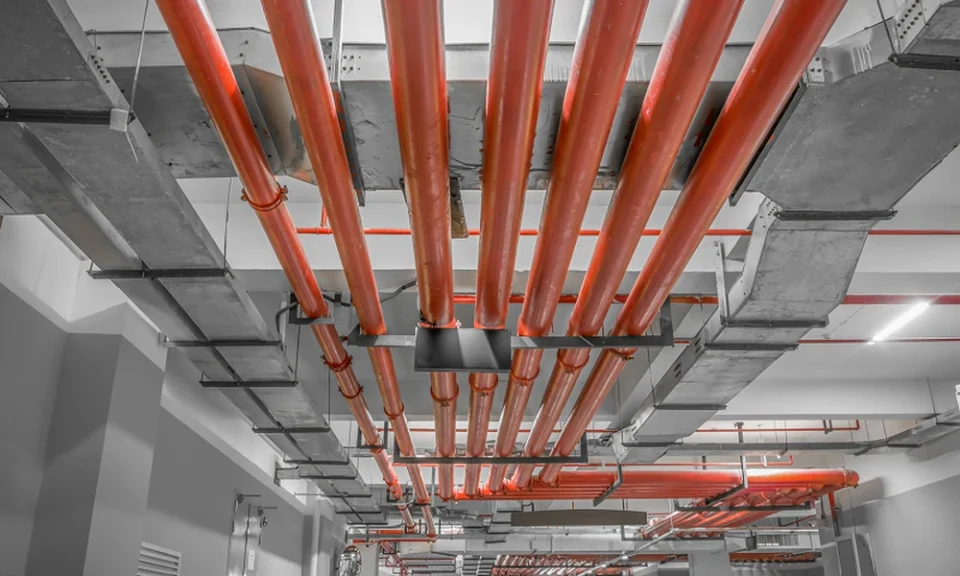
Key Highlights
- M&E contractors coordinate the vital “veins and nerves” of a building, including electricity, water, and climate control.
- Effective electrical installation in building construction requires early-stage planning to integrate power systems with structural elements.
- These professionals ensure that all mechanical and electrical systems comply with environmental and safety regulations.
- M&E specialists play a crucial role in commissioning and testing systems before a building is handed over to the owner.
The Hidden Artistry of Modern Living
Have you ever walked into a gleaming skyscraper and wondered what actually keeps it alive? While the glass and steel might grab your attention, the real magic happens where you can’t see it. In the high-stakes world of construction, the shell and core of a building provide the form, but the Mechanical and Electrical (M&E) systems provide the function. Think of an M&E contractor as the master conductor of a silent orchestra, responsible for the complex internal systems that make a structure habitable and operational. Without their invisible artistry, a building is nothing more than a cold, dark concrete box. How would we function without light, running water, or climate control?
Their work is a delicate balancing act of engineering precision and logistical coordination. Because these systems are often tucked away behind walls and above ceilings, their importance is frequently underestimated. However, the success of any modern building project depends heavily on how these various services are integrated. From the first spark of a design to the final safety check, these specialists ensure the building lives up to its intended purpose-providing a safe, comfortable environment where people can thrive. It’s about more than just utility; it’s about creating the heartbeat of the building.
The Blueprint of Life: Orchestrating the Invisible Systems
Does the work start with the first shovel in the ground? Far from it. The journey of a great M&E contractor begins long before the first wire is pulled or pipe is laid. During the pre-construction phase, they step into a world of digital choreography, collaborating with architects and structural engineers to design the layout of all internal services. This stage is where clash detection becomes an art form. Imagine trying to fit three different types of massive infrastructure into a space the size of a suitcase-this is the daily reality of M&E planning.
- Collaborative Design – Working hand-in-hand with architects to ensure aesthetics don’t compromise functionality.
- Advanced BIM Modelling – Using 3D software to simulate every pipe and wire, identifying conflicts before they reach the site.
- Strategic Integration – Ensuring that the electrical installation in building construction doesn’t interfere with mechanical airflow or plumbing gradients.
This digital foresight is what prevents the nightmare of site surprises. By mapping out the building’s nervous system early, they reduce material waste and prevent the costly mid-project redesigns that plague less-planned projects. When the blueprint is perfect, the building operates at a level of efficiency that feels like second nature to its occupants.
Beyond the Walls: The Anatomy of Comfort and Safety
What defines a safe space? Is it just the strength of the walls? To an M&E contractor, safety and comfort are technical disciplines. The “M” in M&E represents the mechanical systems-the lungs of the building. This includes the complex HVAC systems that manage temperature and air quality, ensuring every breath you take inside is fresh. But their responsibility extends far deeper into the realm of protection. They are the guardians of life safety systems, a suite of technologies that most hope never to see in action.
- Climate Control: Installing high-efficiency chillers and ductwork to create a seamless thermal environment.
- Hydraulic Systems: Managing the intricate plumbing networks that deliver clean water and remove waste without a sound.
- Fire Protection: Meticulously integrating fire alarms, sprinklers, and smoke exhaust systems that react in milliseconds during an emergency.
These systems must be perfectly synchronised. For example, during a fire, the HVAC must switch to smoke-extraction mode while the emergency lighting guides occupants to safety. This level of coordination requires a deep understanding of how disparate technologies must speak the same language when lives are on the line.
The Power Pulse: Keeping the Lights On and the Systems Humming
If mechanical systems are the lungs, electrical systems are the central nervous system. Have you ever considered the sheer complexity of the power distribution hidden in the walls? A primary responsibility of the M&E specialist is overseeing this massive infrastructure. It isn’t just about light switches; it’s about the main switchboards, the transformers, and the miles of cabling that ensure every corner of the building has the energy it needs to function.
- Power Distribution – Designing systems to handle current and future electrical loads without failure.
- Trade Coordination – Timing installations perfectly so conduits are set before concrete is poured.
- Code Compliance – Ensuring every inch of electrical installation in building construction meets rigorous safety standards.
The long-term impact of a quality electrical installation cannot be overstated. A well-designed system reduces fire risks, minimises energy consumption, and provides the scalability needed as the building’s use evolves. It is the literal pulse that keeps the lights on and the systems humming 24/7.
The Final Exam: Ensuring Perfection Before Opening Day
How do we know everything actually works? As construction nears its end, the M&E contractor enters the final exam phase: commissioning. This is where every theory is tested against reality. It’s a rigorous process of verification where every circuit, every sprinkler head, and every air vent is pushed to its limits to ensure it performs exactly as designed. This isn’t just a formality; it’s a vital quality assurance step that ensures the building is truly ready for its occupants.
- Performance Testing – Verifying that HVAC balance and electrical continuity meet high-performance standards.
- Safety Certification – Securing the necessary documentation and government approvals to prove the building is safe.
- Handover Documentation – Providing as-built manuals that serve as a lifeline for future maintenance teams.
This phase identifies the minor flaws that could become catastrophic problems later. When the M&E contractor signs off, they aren’t just finishing a job; they are handing over a masterpiece of functional engineering that will serve the building owner for decades to come.
Frequently Asked Questions
Why should an M&E contractor be involved from the design stage?
Early involvement allows for “clash detection,” ensuring that mechanical, electrical, and plumbing systems fit perfectly within the structural layout. This prevents expensive rework during actual construction.
What is clash detection in M&E construction?
It is the process of using 3D modelling to identify where different building services (like a water pipe and an electrical conduit) are planned for the same physical space, allowing for resolution before construction begins.
How does M&E installation affect long-term building maintenance?
Quality M&E work ensures systems are accessible and clearly documented. High-standard electrical and mechanical installations lead to lower energy bills and fewer breakdowns over the building’s lifecycle.
Are M&E contractors responsible for fire safety?
Yes. They integrate the fire alarms, emergency lighting, and sprinkler systems, ensuring they are fully functional and compliant with local life safety regulations.
The Blueprint for Success: Why M&E Mastery Matters
The role of an M&E specialist is fundamental to modern architecture. By managing everything from the initial electrical installation in building construction to the final testing of life safety systems, they ensure that buildings are more than just empty shells. Their ability to coordinate complex mechanical and electrical components determines the comfort, safety, and efficiency of the environment. Whether it is a high-rise office building or a residential complex, the expertise of these contractors is what truly brings the structure to life. Investing in high-quality M&E services is an investment in the long-term viability of any construction project.
If you require expert management for your building’s technical systems, contact 81 Electrical to discuss how we can support your next project.
