
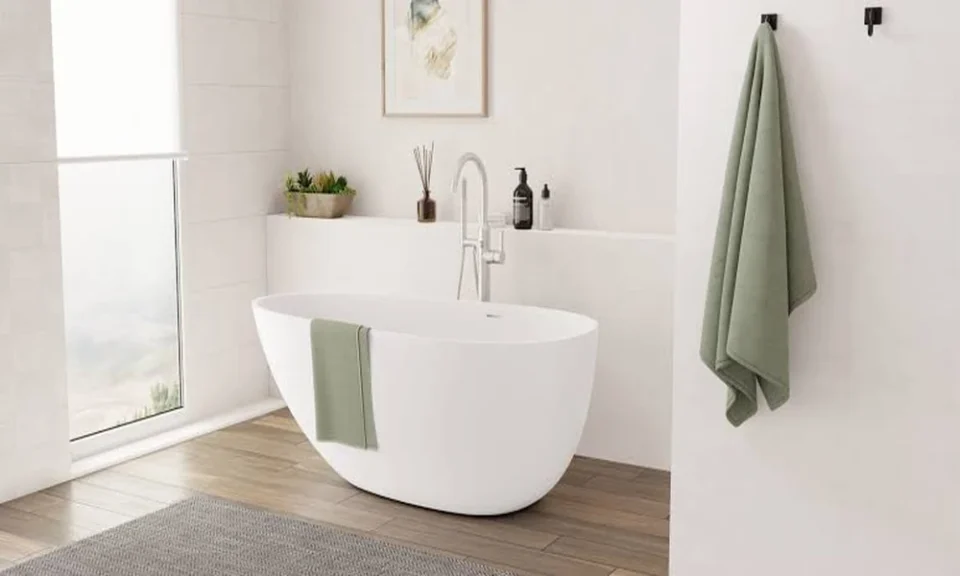
Homeowners dreaming of a spa-like bathroom often picture a sleek freestanding tub as the centerpiece. The reality is far more nuanced. Renovating with a freestanding bathtub isn’t just about aesthetics; it’s a technical dance with space, plumbing, structure, and style. Too often, myths and oversimplifications lead to costly headaches or compromised results. Let’s unravel the most common misconceptions and surface the essential installation details you need to know.
Myth #1: Any Bathroom Can Easily Accommodate a Freestanding Tub
At first glance, it seems simple, a bathtub without fixed walls should fit anywhere, right? Not quite.
Understanding Space Requirements and Layout Constraints
Freestanding tubs command visual attention, but they also demand generous floor space. Allowing at least 4-6 inches of clearance around all sides is crucial for cleaning access and comfort. Tight spaces can make even the most beautiful tub feel awkward and cramped. Door swings, window placements, and access to other fixtures also influence where a tub can realistically sit.
The Importance of Floor Load Capacity and Structural Support
Water is heavy. So are bathers, and so are some tubs. Combining those weights means your floor must be structurally sound. For second-floor bathrooms or older homes, consult a professional to evaluate whether additional reinforcement is needed. Modern bathtubs often use lighter materials, but some stone or cast iron models add significant load.
Myth #2: Drain and Plumbing Locations Are Always Flexible
Bathrooms are not blank canvases. The existing plumbing will largely dictate where your new centerpiece can be placed.
Why Precise Drain Placement Matters
Most freestanding tubs have a center or end drain. If your home’s existing plumbing doesn’t align, you may face extensive (and expensive) floor modifications to relocate pipes. In condos or apartments, rerouting may not even be possible within strata rules.
Common Plumbing Challenges in Renovation Projects
Old plumbing can be incompatible with contemporary fixtures. Accessing and adapting these lines, especially in slab foundations, often means more demolition and reconstruction than homeowners expect. Always verify pipe sizing and venting before purchase. Being proactive here avoids installation day surprises.
Myth #3: Freestanding Tubs Don’t Require Special Installation Tools or Expertise
It’s tempting to see the freestanding tub as a plug-and-play upgrade. In reality, the installation process is anything but generic.
The Role of Professional Installation in Longevity and Safety
A poorly installed tub can leak, wobble, or damage finished flooring. Correct leveling, secure drain connections, and precise placement are all vital for a worry-free soak. Professional installers understand how to avoid common pitfalls, ensure waterproofing, and align plumbing with the tub’s unique design.
Tools and Techniques Unique to Freestanding Tub Setup
Unlike alcove tubs, freestanding models often use concealed or floor-mounted drains and filler pipes. Specialized tools, such as adjustable wrenches for proprietary fittings or unique mounting brackets, may be required. Attempting a DIY solution without the right experience can lead to costly repairs down the line.
Myth #4: All Freestanding Bathtubs Are Heavy and Difficult to Move
Not all tubs are created equal, and neither are their weights.
Material Innovations and Their Impact on Weight
Traditional cast iron tubs can weigh over 400 pounds before adding water. Today, resin, acrylic, and engineered stone have revolutionized tub construction. These materials deliver strength and durability at a fraction of the weight, making delivery and installation far less complex.
Delivery and Maneuvering Considerations in Renovations
Even with lighter tubs, maneuvering through hallways, staircases, and tight doorways requires careful planning. Always measure every access point ahead of time, not just the destination bathroom. Some manufacturers provide split or modular designs to ease installation in tricky spaces.
Myth #5: Faucet and Fixture Compatibility Is a Minor Detail
The right tub deserves the right fixtures, both for function and for flair.
Matching Faucets to Tub Styles for Function and Aesthetics
Freestanding tubs typically pair with floor-mounted or wall-mounted faucets. Not every bathroom has plumbing in the right location for these options, and retrofitting can be invasive. Selecting a faucet that complements both the tub’s silhouette and your desired user experience is just as important as choosing the tub itself.
Plumbing Connections and Height Adjustments
Pay close attention to spout reach and height. Water must flow comfortably into the tub without splashing or missing the mark. Sometimes, small adjustments or custom risers are needed to get a perfect fit.
Myth #6: Heat Retention and Comfort Are Standard Across All Tub Types
A warm bath that quickly goes cold is nobody’s idea of luxury.
How Material and Design Affect Warmth and User Experience
Cast iron tubs excel at holding heat, while cheaper acrylics can lose temperature faster. Newer materials, like engineered stone and high-grade acrylics, strike a good balance between heat retention, weight, and style. Shape matters, too, a tub designed for ergonomic lounging will keep you warmer than one that’s too wide or shallow.
Choosing Bathtubs for Optimal Insulation
If long, relaxing soaks are part of your dream, prioritize models designed for superior insulation. Reviews, manufacturer specs, or expert advice can help you identify options that maintain temperature longer and maximize comfort.
Myth #7: Freestanding Bathtubs Are Always More Expensive and Less Practical
Looks can be deceiving. Cost and practicality are not as clear-cut as they seem.
Evaluating Cost Versus Long-Term Value and Style
Freestanding tubs can be an investment, but their impact on resale value and daily enjoyment often justifies the price. Premium models command higher costs due to materials, finish, and design, but they also deliver durability and unique style that ordinary tubs rarely match.
Balancing Practicality with Design Ambitions in Renovations
If you want a showpiece without sacrificing functionality, seek professional advice early. Experienced resources, like the Vasca design freestandingbathtubs, offer not only high-quality products but also expert support to help you match style with practical needs.
Renovating with a freestanding bathtub isn’t just about making a statement, it’s about making the right statement, installed safely and beautifully for years to come.
