
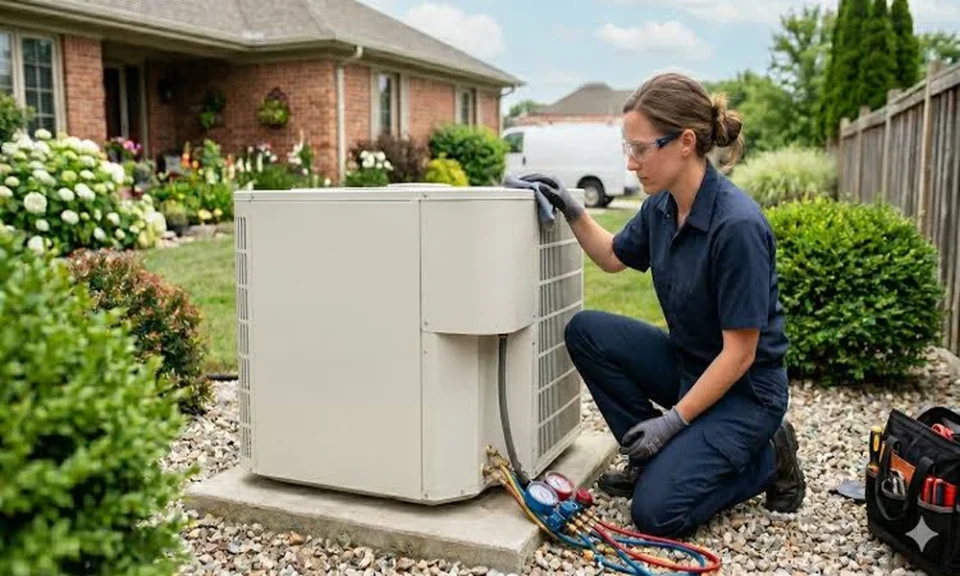
Your air conditioner may seem to be running normally, but did you know it could be showing warning signs long before it breaks down? One of the most important indicators HVAC technicians monitor is compressor amp draw. While it may sound technical, it simply measures how much electrical current your compressor is using. When those readings are higher or lower than expected, it often points to a problem that should not be ignored.
What Is Compressor Amp Draw?
The compressor is the heart of your air conditioning system. It circulates refrigerant and keeps cool air flowing through your home. As it operates, it draws electricity. Every compressor is designed to run within a specific amp range provided by the manufacturer.
During routine maintenance, technicians compare the actual amp draw to the recommended value. If the numbers are outside that range, it usually means the compressor is working harder than it should.
Why High Amp Draw Is A Warning Sign
A higher than normal amp draw does not always mean the compressor is about to fail, but it does signal that something is wrong. Dirty condenser coils, restricted airflow, low or incorrect refrigerant levels, failing capacitors, electrical problems, or an aging compressor can all increase the electrical load.
The longer the compressor operates under excessive strain, the more wear it experiences. Waiting until it fails often means a much more expensive repair than addressing the underlying issue early.
Can Low Amp Draw Be A Problem Too?
Yes. Low amp draw can also point to trouble. It may indicate low refrigerant, worn internal compressor components, or electrical issues that prevent the compressor from operating efficiently. While the system may still cool your home, its performance and efficiency can decline over time.
That is why both unusually high and unusually low readings deserve professional attention.
When Should You Schedule Preventive Repairs?
If your HVAC technician notices abnormal amp draw during a seasonal tune-up, it is usually best to investigate right away instead of waiting for a breakdown. Other warning signs include longer cooling cycles, higher utility bills, weak airflow, unusual noises, or frequent breaker trips.
Preventive repairs often involve fixing smaller issues before they damage expensive components like the compressor itself.
Protect Your HVAC Investment
Cincinnati summers can place heavy demands on air conditioning systems. Regular maintenance helps identify electrical issues before they become emergencies. The experienced technicians at HELP Plumbing, Heating, Cooling, and Drains use professional testing equipment to evaluate compressor performance, including amp draw, so homeowners can make informed repair decisions.
A simple inspection today can prevent a major breakdown tomorrow. If your AC has been showing signs of strain, schedule a professional HVAC inspection and let HELP Plumbing, Heating, Cooling, and Drains keep your system running safely and efficiently all season long.
