
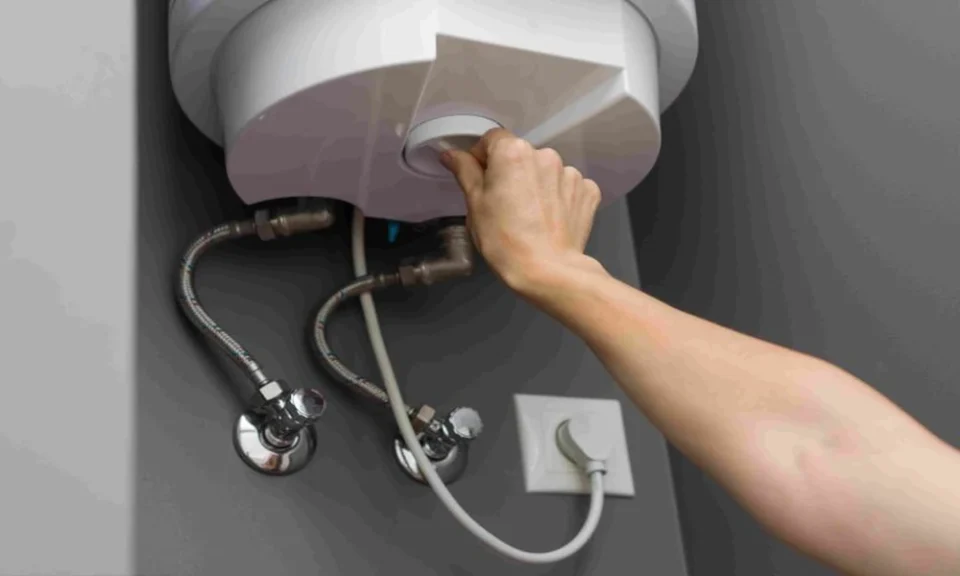
The first truly cold week of the year tends to expose things a water heater hid all summer. Showers run lukewarm sooner. The second load of laundry gets less hot water than the first. Someone in the house starts asking whether the heater is on its way out, even though nothing about it looks different.
Most of the time, the heater has not changed at all. The water feeding it has. In southeast Michigan, the water entering a home in January is far colder than the water entering it in August, and every heater has to close that gap before anything reaches the tap. The colder the starting point, the harder the work.
That seasonal swing shapes how homeowners should think about water heaters in Commerce and the surrounding lakes area, where some houses draw from private wells and others from municipal lines. Sizing, fuel choice, venting and maintenance all look a little different once winter enters the picture. Here is what actually happens inside the tank, or the tankless unit, when the temperature drops.
The Temperature Rise Problem
Every water heater is really a temperature rise machine. If the water arrives at 60 degrees and you want it at 120, the heater has to add 60 degrees. If it arrives at 40, the heater has to add 80. That extra work is the whole story behind most winter complaints.
A tank heater handles this by storing water it has already heated. It still delivers a full tank of hot water in winter, but refilling and reheating that tank takes noticeably longer. The figure that matters here is the first hour rating, printed on the yellow label. It tells you how much hot water the heater can supply in a busy hour, and real winter performance often falls a bit short of it.
A tankless heater heats water on demand, so the impact shows up as flow. A unit that comfortably runs two showers in July may only manage one and a half in January, because it can only add so many degrees at a given flow rate. Households that chose a tankless model based on summer performance are often the ones surprised by the first cold snap.
Homes on private wells have a small advantage here. Groundwater from a drilled well tends to hold a steadier temperature year round than water that has traveled through cold municipal mains. The difference is not dramatic, but it can soften the winter dip.
Reading Your Own Heater
Before deciding a heater is failing, it helps to separate a capacity problem from a mechanical one. A few simple checks can narrow it down:
- Find the label and note the tank size, fuel type and first hour rating, along with the manufacture date hidden in the serial number.
- Run a hot tap until the temperature stabilizes and check it with a kitchen thermometer. Around 120 degrees is a common target for comfort and scald safety.
- Time how long a typical shower lasts before the water cools, and compare that with how it felt in early fall.
- Listen to the tank while it heats. Popping, rumbling or crackling usually means sediment is sitting on the bottom.
- Look at the base and fittings for rust streaks, damp spots or white crust.
If the water reaches the right temperature but runs out sooner, the heater is likely undersized for winter demand. If it never gets hot enough, or the tank is noisy and stained, the issue is more likely sediment, a failing element or burner trouble, or simple age.
Sediment Makes Winter Worse
Hard water and well water both carry minerals that settle at the bottom of a tank over time. On a gas heater, that layer sits between the burner flame and the water, acting like insulation. On an electric heater, the lower element can become buried in it and burn out early.
In summer, a tank with a few inches of sediment might still keep up. In winter, when the heater is already working harder, that same layer stretches recovery time even further. Flushing the tank once a year, ideally before the cold months, removes much of the buildup and often restores lost performance. Homes with very hard water or iron in their well supply may benefit from treatment equipment upstream, which protects the heater along with every other fixture in the house.
The anode rod deserves a mention too. This sacrificial metal rod corrodes so the tank lining does not. Once it is used up, the tank itself begins to rust. Checking and replacing it every few years is one of the least expensive ways to stretch a heater’s lifespan.
Venting Meets the Snow
Gas water heaters need to exhaust combustion gases safely. Older models use a metal flue that rises through the roof or connects to a chimney. Many newer units use power venting or direct venting, with plastic pipes that exit through a side wall near ground level.
Those side wall terminations can become a winter weak spot. Drifting snow, ice from a roof edge or a pile of shoveled snow can partially block the intake or exhaust. Many heaters will shut themselves down when that happens, which is the safe outcome, but it leaves the house without hot water until someone clears the vent. Walking past those pipes after every heavy snowfall takes a minute and prevents a lot of confusion. A working carbon monoxide alarm on each level of the home is essential with any fuel burning appliance.
Heat Pump Models in a Cold Basement
Heat pump water heaters have become a popular upgrade because they move heat from the surrounding air into the water rather than generating it directly. They can use far less electricity than a standard electric tank.
Placement matters in a cold climate. According to ENERGY STAR’s guidance on heat pump water heaters, these units tend to run less efficiently in chilly spaces, can cool the room they sit in, and may lean on backup electric heating when incoming water is cold. A finished basement or a furnace room with some spare warmth usually suits them better than an unheated garage or crawl space. The cooling and dehumidifying effect can even be a bonus in a damp lakeside basement during the warmer months.
Planning Before the Old Heater Quits
Most tank heaters last somewhere around eight to twelve years, and many fail during the coldest stretch of the year, simply because that is when they work hardest. Replacing a heater on your own schedule, rather than during a January emergency, leaves room to choose the right size and fuel, confirm the venting and electrical needs, and compare tank, tankless and heat pump options without pressure.
The best choice for any home depends on how many people live there, how they use hot water and how cold the incoming supply gets in deep winter. Sizing for the hardest month instead of the easiest one is the simplest way to make sure the morning shower stays warm all season long.
