
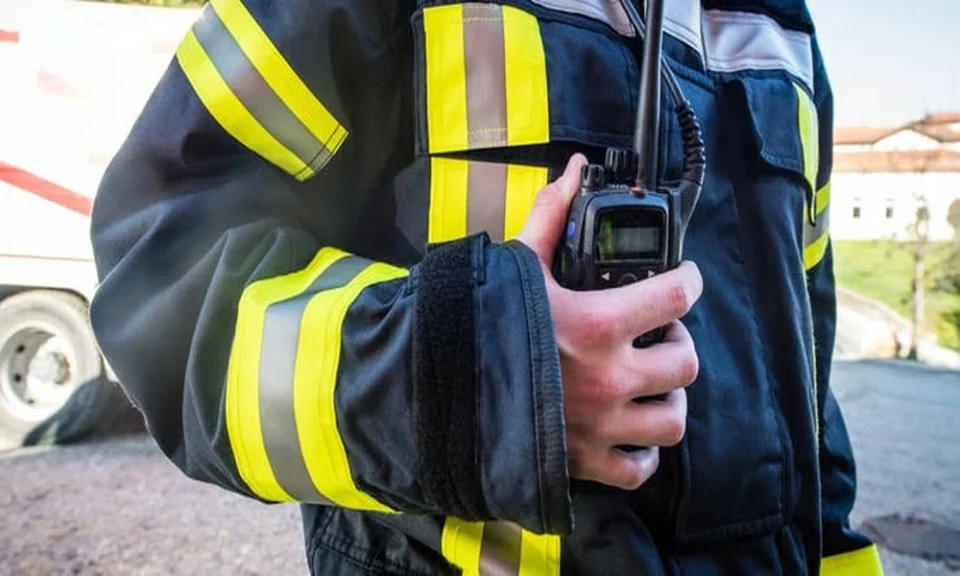
Accurate records support effective fire watch operations by tracking patrols, hazards, incidents, and responses. They also improve communication among guards, property managers, security personnel, and emergency responders during emergencies.
When an urgent situation requires immediate coverage, clear documentation becomes especially important for maintaining accountability and coordination. Businesses seeking emergency fire watch Escondido can benefit from keeping detailed records of patrols, hazards, notifications, and actions taken throughout the response. Well-organized documentation helps ensure that everyone involved understands what occurred and provides management with a reliable record for reviewing the event and improving future emergency procedures.
Why Fire Watch Documentation Matters
Fire watch records document patrol times, observed conditions, and reported hazards. They help management identify recurring concerns, evaluate corrective actions, review safety performance, and confirm that required monitoring procedures were completed.
Record Patrol Activities
Fire watch personnel should document routine patrols according to the site’s requirements. Each entry can include the time of the patrol, area inspected, observations made, and any concerns discovered.
Regular entries create a clear timeline of monitoring activities. If an emergency occurs, these records may help establish what conditions were observed before the incident.
Document Identified Hazards
When a potential fire hazard is discovered, it should be recorded clearly and objectively. Examples may include blocked emergency exits, combustible materials near ignition sources, damaged electrical equipment, smoke, unusual heat, or unsafe hot work conditions.
A useful report should describe what was observed without unnecessary assumptions. Clear descriptions make it easier for supervisors or responsible personnel to understand the issue and determine appropriate action.
Record Emergency Incidents
If a fire, smoke condition, equipment failure, or other serious event occurs, the incident should be documented promptly. The report may include the date, time, location, nature of the event, people notified, and actions taken.
Personnel should follow the site’s emergency reporting procedures and avoid delaying emergency response simply to complete paperwork.
Maintain Communication Records
Communication can be an important part of an emergency response. Documentation may include when a supervisor, property manager, security team, or emergency service was contacted.
Recording relevant notifications creates a useful timeline of how information was communicated during the event. Only necessary and appropriate information should be documented.
Use Clear and Consistent Formats
A standardized fire watch log can make documentation easier to understand. Businesses may use paper forms or approved digital systems, depending on their operational requirements.
A typical record may include:
- Date and shift information
- Guard’s name or identification
- Patrol times
- Areas inspected
- Hazards identified
- Actions taken
- People notified
- Incident details
- Final shift observations
Consistent formatting makes records easier to review and organize.
Protect the Accuracy of Records
Fire watch documentation should be completed as close to the time of the observation as practical. Guards should avoid guessing information or creating entries from memory long after an event.
Corrections should follow the company’s established documentation procedure. Records should also be stored securely and made available only to authorized personnel when appropriate.
Review Documentation After an Event
After an emergency or significant hazard, management should review the relevant records. This can help identify what happened, how personnel responded, and whether existing procedures need improvement.
Lessons from documentation can contribute to better emergency planning and future fire prevention efforts.
