
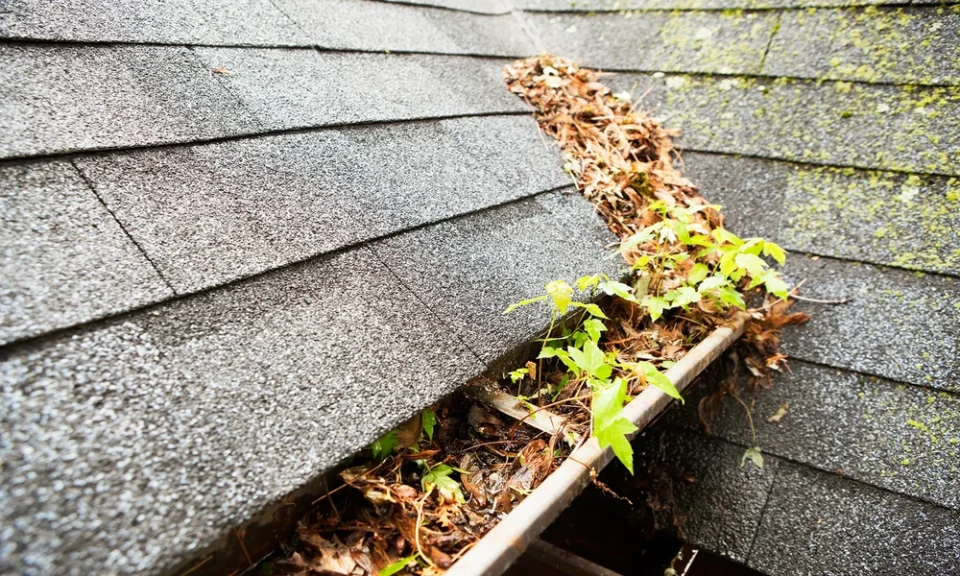
Gutters in Austin take punishment from several directions at once. Live oaks drop their tassels and pollen in early spring and their leaves through the year. Spring storms can push rainfall rates past what a standard gutter was sized to carry. Hail dents the metal and splits the seams. Under the house, Blackland Prairie clay east of I-35 swells when it is wet and shrinks when it dries, while homes on the limestone hills to the west deal with fast runoff and thin soil. Because of all that, a symptom you see at the gutter line often starts somewhere else. Reading it correctly is what makes a fix last.
When the answer turns out to be new gutters rather than another cleaning, Austin gutter installation from a crew that also builds roofs tends to catch the problems a gutter-only visit misses. The family-owned team at windhamroofing.net has been working on Central Texas homes since 2001. They repair and replace gutters, and they handle the roof, fascia, siding and windows those gutters are attached to. After a hailstorm, they can also document gutter and roof damage together for the insurance claim. Schedule a walkaround before the next spring storm season instead of after it.
Water Spilling Over the Front Edge
Overflow is the most common complaint. It also has the widest range of causes.
- Check whether the overflow happens in every rain or only in heavy bursts. If it happens in every rain, look for a blockage first, especially at the downspout outlet where oak tassels and leaves pack into a plug.
- If it only happens in downpours, compare the roof to the gutter. A large two-story roof in a newer Pflugerville or Leander subdivision often drains into 5-inch K-style gutters with 2×3 downspouts. The fix is usually 6-inch gutters with 3×4 downspouts, or simply adding downspouts so each one serves less roof.
- If overflow happens at one spot, such as an inside corner below a valley, the water is arriving faster than the gutter can turn it. A splash guard at the corner or a downspout placed close to the valley solves this better than a bigger gutter run.
- On homes under heavy oak canopy in neighborhoods like Northwest Hills or Allandale, consider whether guards make sense. Fine mesh guards handle oak pollen and tassels better than open screens, but they still need occasional brushing.
Sagging, Pulling Away, or Pitched Wrong
A gutter that dips or leans out from the house is telling you about its support.
- Look at the fasteners. Older installations used spikes and ferrules that work loose as wood dries and swells. Modern hidden hangers screwed into the fascia hold far better when spaced about every two feet.
- Check the slope. A gutter should fall roughly a quarter inch for every ten feet toward the downspout. A run that is level or tilts backward holds water, and that standing water adds weight and rusts steel or corrodes seams.
- Look for hail damage. After a hailstorm, dented gutter faces and split corner seams can make a run sag even when the hangers are fine. Photograph it before repairs, since it often belongs in a storm claim.
- If the hangers keep pulling out no matter how they are reset, the fascia behind them is the real problem. Move on to the fascia section below.
Water Pooling Along the Foundation
Pooling is where gutter trouble becomes foundation trouble, and Austin’s soils make it a serious one.
- Find where each downspout lets out. A downspout that dumps water within a foot or two of the slab defeats the purpose of having gutters. On clay soil, that one wet spot can swell while the rest of the perimeter stays dry, and uneven moisture is what moves foundations.
- Extend the discharge several feet away, or connect it to buried pipe that carries water to a pop-up emitter in the yard. Make sure the soil around the house slopes away from the slab, not toward it.
- On a hillside home west of MoPac, the concern shifts from swelling clay to erosion. Concentrated downspout flow can scour shallow soil and expose the limestone. Rock splash pads or a dry creek bed spread the water out.
- Think about putting the water to work. Austin Water’s residential rebates for rain barrels, cisterns and rain-capturing landscape features can offset the cost of sending a downspout into storage or a rain garden instead of against the house.
Soft, Stained or Rotting Fascia
Rotten fascia almost always means water has been getting behind the gutter for a long time.
- Push on the fascia board with a screwdriver near the downspouts and corners. Soft wood that crumbles has been wet repeatedly, usually because overflow or a missing drip edge let water run down the back of the gutter.
- Look at the roof edge. Shingles should overhang into the gutter, with drip edge or gutter apron directing water into the trough instead of behind it. Many older bungalows in Hyde Park and Travis Heights were never built with this detail.
- Replace damaged fascia and any rotted roof decking before new gutters go up. Hanging new metal on soft wood just restarts the cycle. Wrapped or fiber cement fascia is now a common upgrade.
- Check the paperwork. The City of Austin’s list of work exempt from a building permit covers roof decking repairs up to 128 square feet and most roof covering replacements, although homes in the Wildland Urban Interface face a permit when half or more of the roofing is replaced. Exempt work still has to meet code, so larger structural repairs behind a rotted edge are worth confirming with the city first.
Putting the Map Together
The same symptom can point to different fixes on different houses. Overflow on a new tract home is often a sizing issue. On an older home under oaks, it is usually debris. Pooling against a slab in East Austin is a clay soil warning, while the same downspout on a Westlake slope is an erosion problem. Fascia rot on a bungalow often goes back to how the roof edge was built decades ago, not to the gutter at all.
That is why the most useful inspection looks at the whole path water travels, from the roof surface through the gutter and down to the soil. Trace that path first, and the repair will match the problem your house actually has.
