
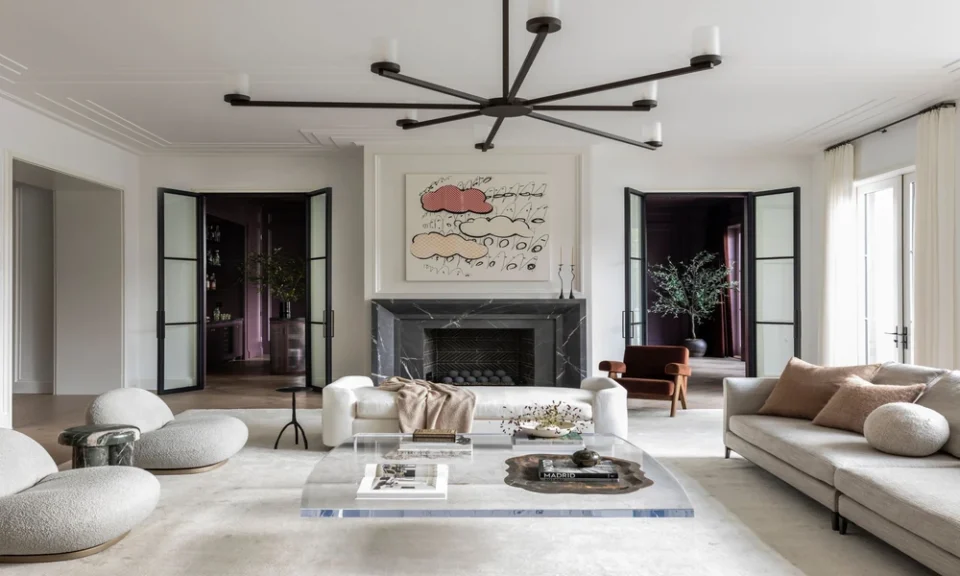
Homeowners tend to price an interior refresh by the room. Contractors tend to price it by the surprise. Anyone comparing San Jose interior services, whether the plan involves paint, flooring, a kitchen or a bathroom, will meet most of the surprises below sooner or later, so it helps to meet them on paper first. Ocean General Contractors covers all four of those areas from its base in San Jose, CA 95116, and its crews also head out to Campbell, Los Gatos, Fremont and the rest of Santa Clara County. Estimates start with a call to (408) 679-8566 or a short form on the website.
None of the seven is dramatic. Together they decide whether a project feels calm or chaotic.
1. Paint is the finale, not the main act
A coat of paint is a thin film, and it copies whatever it sits on. Nail pops, hairline cracks, glossy old finishes and greasy patches near the stove all show through or peel away within a year. Careful crews patch, sand, spot prime and caulk before a roller ever comes out, which is why the first days of a paint job can look strangely quiet.
When you compare bids, ask how many days of preparation each one assumes. A quote that jumps straight to color is either skipping the boring part or hoping you will not notice.
2. Light rewrites your color choice
That soft greige on a small paper chip can turn pink in a west facing room at four in the afternoon. Valley sunshine is strong and it moves through a house all day, so the same wall can read warm at breakfast and cold at dinner. Warm bulbs and bright white LEDs push colors in different directions too.
Put a sample on the wall, make it at least two feet wide, and look at it in the morning, at midday and after dark. Check it next to your trim and your flooring, since neighbors on a wall change each other more than people expect.
3. Floors keep their own calendar
Different floors ask for different things before anyone lays a plank or a tile. Hardwood needs a prepared base and a moisture reading, because wood that goes down damp will cup and gap later. Tile needs a flat surface or the grout lines will tell on you. Water resistant luxury vinyl suits laundry rooms and other spots where a leak is a real possibility, while laminate and carpet each have their own quirks.
Then comes the question of order. Sanding and heavy installation scuff walls and fling dust, so many crews like to finish the roughest floor work first and save final paint touch ups for the end. The right sequence depends on the material, which is why floors and paint belong in the same conversation.
4. The air indoors needs a plan
Fresh paint smells like a new beginning, but the smell is solvents leaving the can. The Environmental Protection Agency explains in its guidance on volatile organic compounds and indoor air that products such as paints and strippers release these compounds, that levels indoors can run far above outdoor levels during some activities, and that they can linger after the work is done.
Practical habits cover most of it. Choose low odor products when you have the option, open windows and run exhaust fans, keep children and pets out of the room while it dries, and seal leftover cans tightly or dispose of them properly rather than letting them sit half open in the garage.
5. The forgotten surfaces take the most patience
Walls get the attention, yet the details are what make a room look finished. Each of these surfaces wants its own prep and often its own sheen.
- Ceilings, usually a flat finish that hides imperfections
- Baseboards and window casings, where a harder, wipeable finish earns its keep
- Doors and frames, which take more fingerprints than anything else
- Cabinets, which need cleaning and bonding primer to hold up to daily use
- Accent walls and crown molding, where clean lines matter more than coverage
A room with perfect walls and sloppy trim looks unfinished, and the reverse is almost never true. Ask for each surface to appear in the scope so nothing gets quietly dropped.
6. Kitchens and bathrooms are logistics puzzles
Remodeling a kitchen means living without one. A realistic plan includes a microwave, a kettle, a cooler and a card table somewhere that is not in the construction zone. For a bathroom, the puzzle is simpler and harsher, because in a house with one bath you will need a backup for the days the water is off.
Lead times are the hidden villain. Custom cabinets, special tile, walk in showers and certain fixtures can take weeks to arrive, and a demolished room waiting on one missing part is miserable. Order the long lead items first and let demolition follow the delivery schedule, not the other way around. If anyone in the household has mobility needs, this is also the moment to build in grab bar backing, wider thresholds and better lighting, because adding them later means opening walls again.
7. The final walkthrough decides how good it feels
A job is not done when the crew packs up. It is done when you have walked every room with a critical eye. Hold a phone flashlight sideways against a wall and you will see roller marks and patched spots that overhead light hides. Open every door and drawer, run every faucet, check grout lines and look at caulk joints where surfaces meet.
Write down small things on the spot and take photos, then agree on a date for the fixes. Before the crew leaves, ask for a labeled can of each paint with its color and sheen written on the lid, since touch ups months later only work with the exact match. For new floors, ask about aftercare as well, such as sealing, cleaning products to avoid and felt pads for furniture legs.
Why small stuff deserves big attention
Interior work forgives a lot until it does not. A skipped prep day, a missing part or a color chosen under showroom lighting can undo weeks of effort in a single afternoon. The homeowners who feel happiest a year later are rarely the ones with the largest budgets. They are the ones who asked dull questions early, wrote the answers down and walked the finished rooms with a flashlight in their hand.
If you take away only one habit, make it this one. Before any work begins, ask each person involved to describe their part in plain words, from what they need ready to what you will see when they leave. Clear answers usually mean a calm project, and vague ones deserve a second look.
