
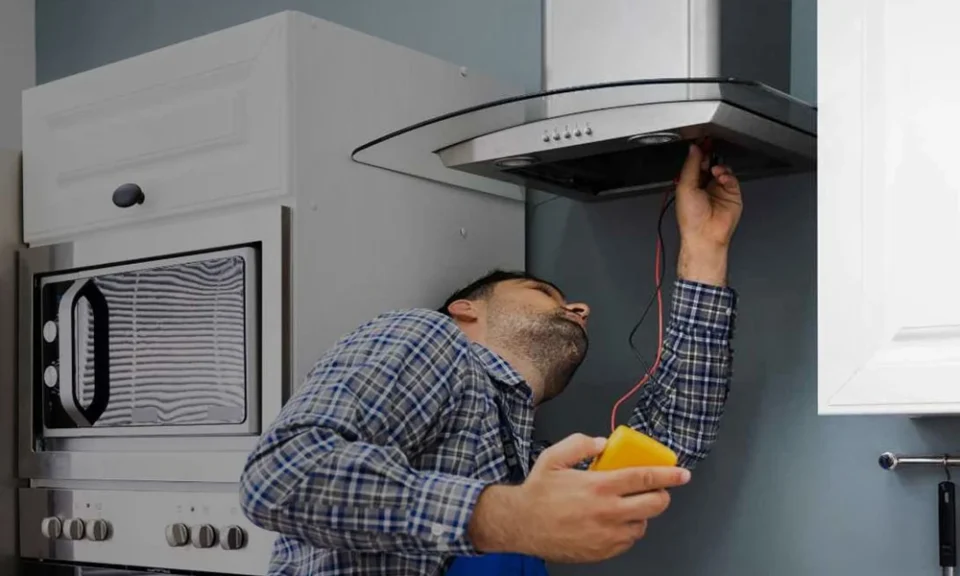
Commercial chimney installation and maintenance for restaurants, hotels, hospitals, industrial facilities, and multi-unit residential buildings in Philadelphia involves a scope and complexity that far exceeds residential chimney service. Commercial chimney services must address the higher fuel loads, more demanding regulatory environments, and the operational continuity requirements of commercial properties whose kitchen ventilation, boiler flues, and industrial exhaust systems cannot tolerate the downtime that deferred maintenance creates. Understanding what quality commercial chimney cleaning and commercial chimney service involves, and why commercial properties require the specialized capability that a dedicated commercial chimney service provider brings, helps facility managers and property owners make the maintenance decisions that safety, compliance, and operational continuity require.
What Commercial Chimney Services Cover
Commercial chimney services for Philadelphia’s commercial and institutional properties encompass a significantly broader scope than residential service:
- Restaurant and food service ventilation: the kitchen exhaust systems of restaurants, hospital cafeterias, hotel kitchens, and institutional food service operations accumulate grease at rates that create serious fire risk if not cleaned on schedules mandated by NFPA 96 and local fire codes
- Boiler and furnace flues: the combustion exhaust systems of commercial boilers serving office buildings, hotels, hospitals, and industrial facilities require regular inspection and cleaning to maintain the draft, efficiency, and safe venting of combustion gases
- Industrial exhaust and process ventilation: manufacturing facilities, laboratories, and the diverse industrial operations of the Philadelphia metropolitan area generate process exhaust that requires properly maintained chimney and ventilation infrastructure
- Multi-unit residential building chimneys: apartment buildings and condominiums with shared chimney systems require the professional commercial service that the scale and shared-system character of multi-unit chimneys demands
Commercial Chimney Cleaning: Frequency and NFPA Compliance
Commercial chimney cleaning frequency for restaurant and food service operations is governed by NFPA 96, the Standard for Ventilation Control and Fire Protection of Commercial Cooking Operations. NFPA 96 specifies cleaning intervals based on the volume and type of cooking:
- Monthly: high-volume operations using solid fuel or producing heavy grease accumulation
- Quarterly: high-volume charbroiling, wok cooking, and operations producing moderate to heavy grease loading
- Semi-annually: moderate-volume operations with moderate grease production
- Annually: low-volume operations including churches, seasonal businesses, and light cooking operations
Philadelphia’s fire code enforcement and the requirements of commercial property insurance policies both reference NFPA 96 compliance, making documented regular commercial chimney cleaning a practical necessity beyond its obvious safety importance.
Commercial Chimney Installation: New Construction and System Upgrades
Commercial chimney installation for new construction or system replacement in Philadelphia requires the specific expertise, material selection, and code compliance knowledge that commercial chimney systems demand:
- Factory-built commercial chimney systems: prefabricated all-fuel or positive pressure chimney systems for commercial appliances whose installation must meet UL 103 or UL 2561 listing requirements and the manufacturer’s installation specifications
- Masonry chimney construction: new masonry chimney construction for commercial properties requiring custom-sized flues for specific appliance installations or the architectural character that brick chimney construction provides
- Liner installation and relining: the installation of UL-listed stainless steel or cast-in-place liner systems in existing commercial chimneys whose original liner is deteriorated, undersized for the current appliance, or incompatible with the fuel being burned
- Cap, crown, and weatherproofing: the chimney termination components that protect the flue from water infiltration, bird nesting, and the down-draft conditions that affect draft performance in urban commercial environments
Commercial Chimney Sweep: The Inspection Component
A commercial chimney sweep service for commercial properties includes an inspection component whose scope exceeds the residential Level 1 inspection:
- Camera inspection of the full flue interior for commercial properties where visual access to the flue is limited and where the consequences of undetected structural deficiencies are proportionately more serious than in residential applications
- Documentation of inspection findings and cleaning dates in the format that fire code inspectors, insurance carriers, and property managers require for compliance demonstration
- Grease accumulation measurement for restaurant exhaust systems, with photographic documentation that supports the determination of appropriate future cleaning intervals based on actual accumulation rates rather than default schedule assumptions
Why Commercial Chimney Service Requires a Specialist
Commercial chimney service from a provider with genuine commercial experience differs from residential chimney service in ways that matter:
- Regulatory knowledge: NFPA 96, local fire codes, and the insurance requirements that govern commercial chimney maintenance are not residential regulatory frameworks, and the commercial chimney service provider must understand and work within these specific requirements
- Equipment capability: commercial chimney cleaning equipment must handle the volume and character of commercial accumulations – primarily grease in restaurant applications rather than creosote in wood appliance applications – using the specialized vacuums, scrapers, and chemical treatments that commercial cleaning requires
- Scheduling flexibility: commercial properties require service scheduling that minimizes operational disruption, often requiring early morning, late night, or weekend service timing that residential schedules do not
Conclusion
Commercial chimney services in Philadelphia from a specialist commercial provider with NFPA 96 knowledge, appropriate equipment, and the inspection documentation capability that commercial compliance requires protect commercial property owners and managers from the fire risk, code violations, and operational disruption that inadequate chimney maintenance creates. Commercial chimney installation, commercial chimney cleaning, and ongoing commercial chimney service from a qualified provider are investments in the safety, compliance, and operational continuity of any commercial property with chimney or exhaust systems.
DJ Cross Inc. provides commercial chimney installation, commercial chimney cleaning, commercial chimney sweep, and comprehensive commercial chimney service for restaurants, hotels, hospitals, industrial facilities, and multi-unit residential buildings across the Philadelphia region. DJ Cross Inc.’s commercial chimney team combines the regulatory knowledge, specialized equipment, and documentation capability that Philadelphia’s commercial properties require for NFPA 96 compliance, fire safety, and the operational continuity that professional commercial chimney maintenance supports.
