
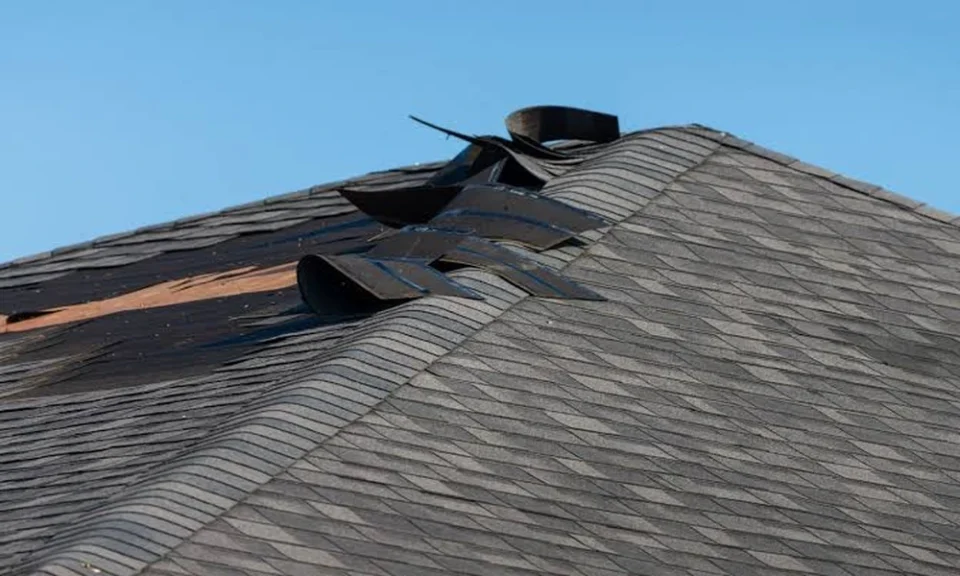
Picture two houses on the same Gentilly block after a summer tropical storm. Both roofs are missing a few shingles, both have a fresh brown ring on a bedroom ceiling, and both owners call their insurers the same morning. Weeks later one claim is paid and the other is denied as wear and tear. The difference usually has nothing to do with luck. It comes down to what the damage actually looked like up close and whether anyone documented it properly.
Telling those two stories apart is a skill, and it is one Tim Shifflett’s crews have practiced on Gulf Coast roofs since founding their roofing company in New Orleans back in 1999. Alongside repairs, leak detection and full replacements, the team at shifflettroofing.com walks owners through insurance claims and keeps a 24 hour emergency line open for the nights when a storm does not wait for business hours. That mix of storm calls and routine service work gives them a clear view of how differently the two kinds of damage present.
What follows is a clue by clue look at those differences, plus why the label matters so much once money is involved.
Reading the Evidence One Clue at a Time
Missing shingles
Wind usually takes shingles in patches, most often along the edges, ridges and the side of the house that faced the strongest gusts. The exposed spots look clean, with bright nail holes, torn mat edges and sometimes the missing pieces lying in the yard or a neighbor’s gutter.
Age loses shingles one at a time and more randomly. The gaps tend to show darkened, weathered underlayment, rusted nail heads and brittle edges that crumbled rather than tore. If the surrounding shingles are curled and cracked, an adjuster will lean toward wear.
Creases and lifted tabs
A shingle that bent backward in a gust and then fell flat again leaves a horizontal crease line, usually across the upper part of the tab. Creasing is one of the most reliable signs of wind, and it often appears on shingles that are still technically in place. The seal strip underneath may be broken as well.
Aging shingles curl instead. The corners cup upward or the middle bulges into a claw shape, a slow process caused by heat cycles and moisture rather than a single event.
Granule loss
Hail or flying debris knocks granules off in distinct spots, leaving dark circular marks with exposed asphalt, sometimes with a slight dent you can feel. Those hits are scattered but fresh looking, and they often line up with dents on gutters, vents and patio furniture.
Old roofs shed granules evenly over years. Look in the downspout splash area. A thick sandy buildup paired with a uniformly bald, faded surface points to age.
Flashing and metal parts
Storms bend, lift and tear metal. Drip edge peeled back at a corner, a dented vent cap, or chimney flashing pulled loose by wind all suggest a recent event.
Aging metal rusts, pits and lets its sealant dry out until it cracks. Caulk that has shrunk away from a pipe boot over several summers is maintenance, not storm damage, even if the leak first showed up during heavy rain.
Ceiling stains
A stain that appears right after a storm, with soft drywall and a single sharp edge, fits sudden water entry. Stains with several rings, like a tree trunk, tell a story of repeated small leaks over many rains. Adjusters notice those rings, and so should you.
Why the Label Changes the Check
Most homeowners policies in Louisiana cover sudden, accidental damage and exclude gradual deterioration. That single distinction drives everything else.
A few local rules shape how a roof claim plays out. Many policies carry a separate named storm or hurricane deductible, and the Louisiana Department of Insurance consumer guide on weathering the storm notes these often run between 2 and 5 percent of the home’s insured value instead of a flat dollar figure. On a house insured for $300,000, that can mean several thousand dollars out of pocket before coverage kicks in.
State law also limits insurers to one hurricane deductible per season. That is why regulators have long encouraged owners to report storm damage even when the bill seems smaller than the deductible, since those costs can count toward it if a second named storm hits later in the year. Whether your policy pays replacement cost or actual cash value matters too. With actual cash value, an older roof’s payout shrinks for depreciation, so the age question follows you even on a covered claim.
Building a Paper Trail Before and After
Good documentation often decides the gray cases, and most of it costs nothing. The owners who come out ahead usually have done the following.
- Taken clear photos of every roof slope, the attic and the ceilings during calm weather, so there is a baseline to compare against.
- Kept the receipts and dates for past repairs, inspections and the original installation.
- Photographed damage from the ground and the attic as soon as it is safe after a storm, including debris in the yard and dented gutters.
- Saved receipts for tarps and emergency repairs, which are typically reimbursable when the damage itself is covered.
- Written down when they first noticed a leak or stain, while the details are still fresh.
Avoid climbing onto a wet or damaged roof to get these pictures. Ground shots with a zoom lens and attic photos with a flashlight carry plenty of weight.
When a Storm Finishes What Time Started
Real roofs rarely fall cleanly into one category. A fifteen year old shingle roof with weakened seal strips will lose far more tabs in a 60 mph gust than a newer one would. In that case the storm is the cause of the loss, but the roof’s age shapes how much damage occurred and how much the policy pays.
These blended situations are where opinions differ most, and where a second inspection can be worth having. Adjusters handle enormous caseloads after a big storm and may spend only a short time on each roof. An independent inspector or roofer who knows local materials can point out crease lines, fresh hail marks or torn flashing that were easy to overlook, and the insurer can be asked to reinspect.
Honesty runs both ways. Sometimes the inspection confirms that a roof simply wore out, and the better move is to plan a replacement rather than fight a claim that will not hold. Knowing which situation you are in, before the adjuster arrives, is what keeps the outcome fair for your house and your budget.
